Why 10% Niacinamide Burns Your Wallet (and Your Skin)
You’ll learn why a 5% niacinamide serum usually outperforms a 10% version for most skin types. Most guides chase the hype and miss the science and price‑point pitfalls.
Where to buy it
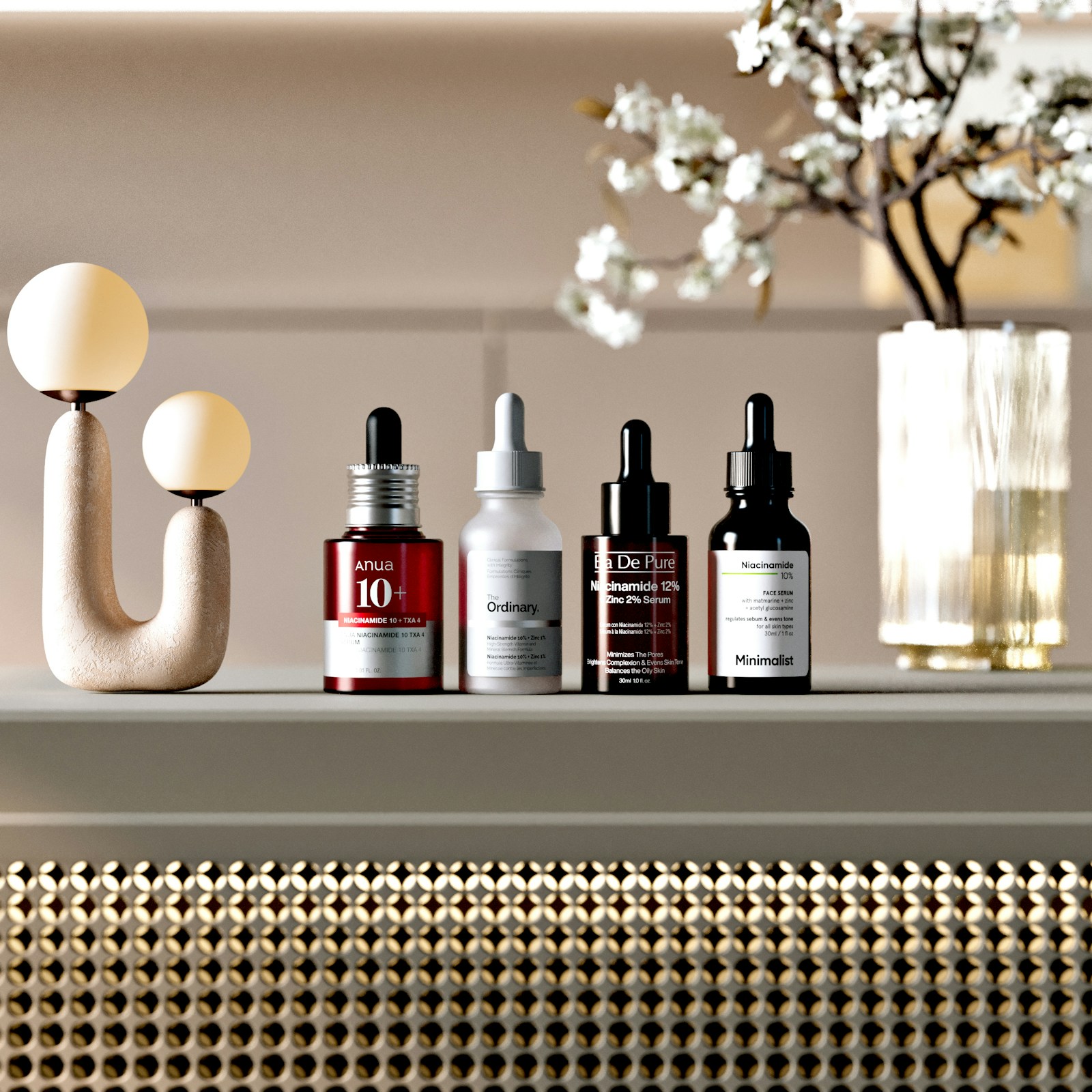
Picture a sleek bottle promising “10% niacinamide for flawless pores” sitting beside your credit card. The label glitters, the price tags a notch higher than the 5% cousins, and the promise feels like a shortcut to Instagram‑ready skin. In reality, that extra boost often translates into a steeper bill and a higher chance of irritation.
Most marketers treat concentration as a status symbol, slapping “10%” on the front to justify premium pricing. They ignore the fact that skin receptors saturate well before that level, so the extra molecules sit idle or, worse, disrupt the natural barrier. The result is a product that looks impressive on paper but delivers diminishing returns for the average consumer.
When you compare shelf‑price ranges, a reputable 5% serum often lands between fifteen and thirty dollars, while a comparable 10% formula can climb to forty or fifty dollars at the same retailer. That gap widens dramatically if the brand is “clinical‑grade” or carries celebrity endorsement fees. The arithmetic becomes obvious: you’re paying extra for a number, not necessarily for extra benefit.
Studies published in dermatology journals routinely test niacinamide at two, five, and ten percent concentrations on volunteer panels. The data consistently show a plateau in transepidermal water loss improvement once the formula reaches five percent. Pushing the dose to ten percent rarely yields a statistically significant edge, yet side‑effect reports climb marginally.
Below the five‑percent threshold, the molecule still activates the same pathways that regulate inflammation and melanin synthesis, but the signal is just as strong. Researchers attribute the ceiling effect to receptor saturation rather than a lack of active ingredient. Consequently, a formulation that balances niacinamide with complementary humectants often outperforms a “maxed‑out” version that relies solely on concentration.
Your skin’s acid mantle can become unsettled when exposed to an overload of niacinamide, especially if the base formula lacks sufficient buffering agents. The pH shift may trigger a temporary rise in oil production as the barrier tries to compensate, leading to that dreaded midday shine. In many cases, the irritation resolves once the concentration is dialed back to a more forgiving five percent.
If you have a history of rosacea or eczema, the extra ten percent can act like a slow‑burn irritant that flares up under stress or seasonal changes. The skin may display tiny papules, a mild burning sensation, or an uneven tone that takes weeks to fade. Those warning signs are often dismissed as “purging,” but they are simply an over‑dose response.
For oily or acne‑prone complexions, a modest five‑percent dose paired with zinc or salicylic acid can calm inflammation without over‑loading the barrier. The synergy between these ingredients often yields clearer pores and a smoother texture than a standalone 10% niacinamide shot. Dermatologists frequently recommend this combination as a first‑line approach for breakout‑prone skin.
People who switch from a 10% serum to a 5% version often report a reduction in post‑application redness within a week. Their confidence in the product rises because the formula feels lighter and integrates better with moisturizers. This anecdotal trend aligns with the clinical plateau observed in the literature, reinforcing that more isn’t automatically superior.
Start by buying a single‑dose travel tube of the 5% serum and a comparable 10% sample if the brand offers one. The cost for a 5‑ml travel size ranges from five to twelve dollars, while a 10% sample usually sits between ten and fifteen dollars, depending on the retailer. This minimal outlay lets you compare texture, scent, and immediate skin response without committing to a full‑size bottle.
You don’t need a lab to gauge tolerance; a simple patch test on the jawline for three consecutive evenings reveals most adverse reactions. The expense of a disposable patch‑test kit is typically under ten dollars, and you can reuse the same applicator for multiple products. Recording the color change or any tingling sensation in a notebook helps you remember which concentration sits comfortably on your skin.
Expect to see measurable improvements in pore appearance and redness after four to six weeks of consistent use at the appropriate strength. If you notice persistent stinging after that period, it’s a sign that the concentration is still too aggressive for your barrier. Switching back to the lower percentage or adding a soothing barrier‑repair cream often restores equilibrium without abandoning the benefits.
Before you click ‘add to cart,’ scan the ingredient list for stabilizers like sodium hyaluronate or glycerin, which can mitigate potential irritation from higher niacinamide levels. Brands that pair the active with a pH‑balanced base often price their formulas higher, but the trade‑off is a smoother experience for the skin. Skipping this quick check can turn a seemingly smart purchase into a costly experiment.
Finally, verify the retailer’s return policy and whether they offer a satisfaction guarantee; many drugstore brands allow a 30‑day refund if the product causes adverse reactions. A clear refund window lets you experiment without the lingering fear of a sunk cost. Armed with that knowledge, you can finally decide whether 5% truly satisfies your skin’s needs.
Where to buy it
More from the shelf
$5 Hydrocolloid Beats $30 Micro‑Dart Patches – Here’s Why
You’ll learn which patch truly clears a breakout without draining your wallet. Most guides glorify techy buzzwords while ignoring the chemistry that actually works.
Why $80 Creams Lose to $10 Drugstore Moisturizers
Learn how ingredient lists separate hype from real skin benefits, and why pricey bottles often under‑deliver. Most guides focus on brand hype, not the chemistry that actually matters.
How to Spot a Bad Vitamin C Serum Before It Wastes $50
You’ll learn how to tell when a Vitamin C serum has already oxidized and why most guides miss the cheap tell‑tale signs. The article also lists affordable alternatives that actually stay potent.