Why $80 Creams Lose to $10 Drugstore Moisturizers
Learn how ingredient lists separate hype from real skin benefits, and why pricey bottles often under‑deliver. Most guides focus on brand hype, not the chemistry that actually matters.
Where to buy it
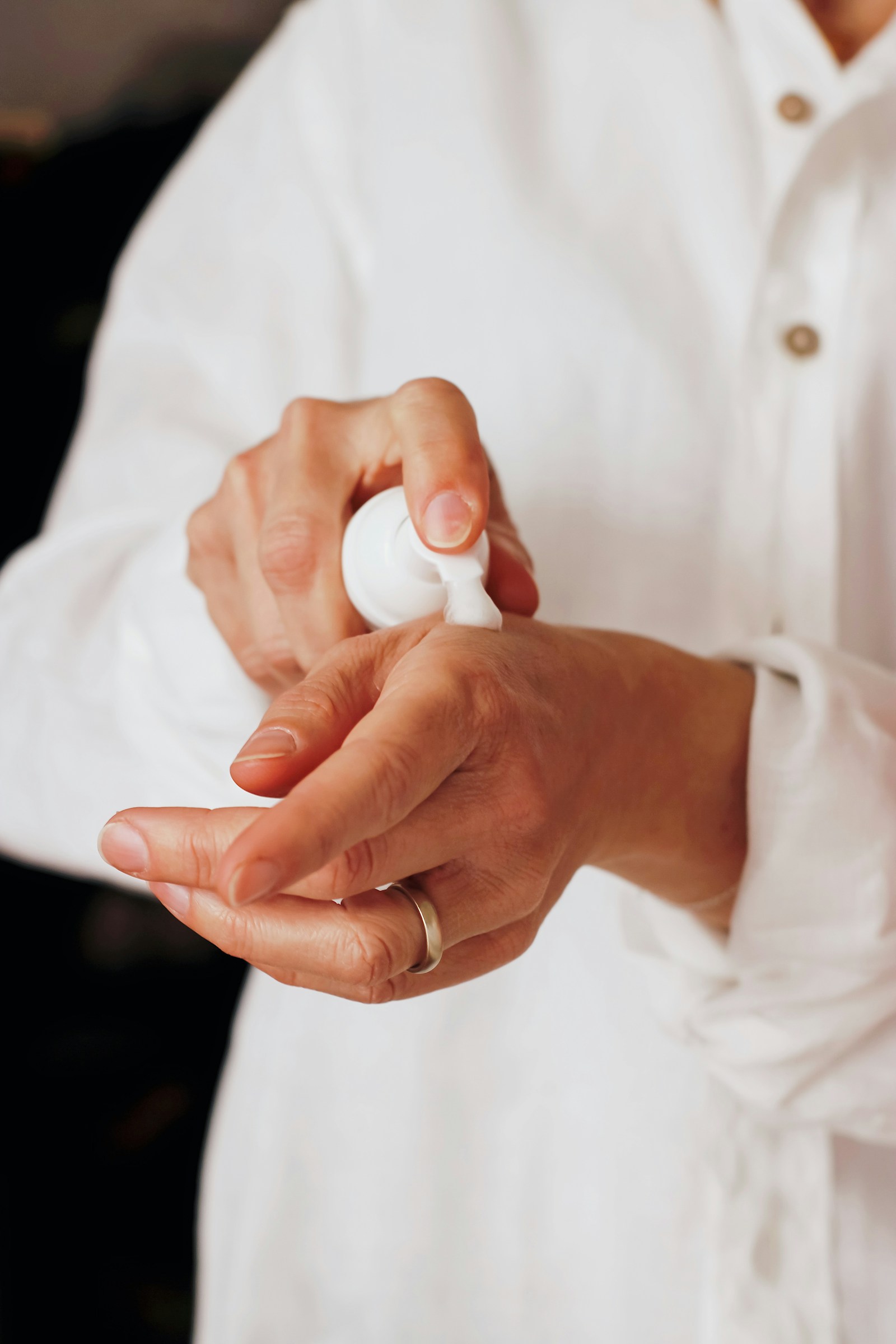
Imagine you’re scrolling past a sleek $80 serum, the copy promising “clinical‑grade hydration,” while a $12 drugstore jar sits unnoticed on the same shelf. The tension is real: the allure of science‑sounding buzzwords versus the fear of throwing cash at a bottle that might be mostly water. Your skin doesn’t care about branding, it cares about what actually gets absorbed. This article pulls apart the ingredient lists so you can see when a high price tag is justified—and when it’s just clever marketing.
Do pricey creams really pack more actives?
First, look at the concentration of the star ingredients. A $80 night cream might list hyaluronic acid near the top, but the actual percentage can hover around 0.1 % to 0.5 % because the molecule is expensive. In contrast, a $12 moisturizer may contain 1 % to 2 % sodium hyaluronate, delivering more water‑binding power per dollar. The Federal Drug Cosmetics Act doesn’t require companies to disclose exact percentages, so the INCI order is your only clue.
Second, consider the type of active. Niacinamide, for example, shows measurable improvement in barrier function at 2 %–5 % concentrations. Luxury formulas sometimes stay under 1 % just to avoid a “drug” label, while many drugstore products comfortably sit at 4 %. That difference can mean the world for redness or oil control.
Third, note any patented complexes. A brand may tout a “pro‑retinal” system that’s essentially retinol mixed with a carrier. If the carrier is cheap mineral oil, the retinol still sits at a modest 0.3 %—hardly enough for visible smoothing. The same effect can be achieved with a simple 0.5 % retinol in an affordable cream, without the hype markup.
Are cheap moisturizers hiding low‑quality fillers?
Meanwhile, drugstore formulas often rely on tried‑and‑tested occlusives like petrolatum, dimethicone, or mineral oil. Those ingredients create a barrier that prevents transepidermal water loss, and they’re inexpensive because they’re mass‑produced. That doesn’t make them “bad”; they’re the reason many cheap moisturizers feel instantly soothing on dry skin.
Consider the humectant blend. Glycerin and propylene glycol appear in both high‑end and low‑end products, but the cheap version may use a higher ratio because the cost is negligible. The result is a cream that pulls water from the deeper layers into the surface, giving that plump look without fancy branding.
Remember that emollients such as caprylic/capric triglyceride or squalane can be sourced from plant oils at a fraction of the price of synthetic esters. When a $10 moisturizer lists “squalane,” it’s likely plant‑derived and just as effective as the $80 counterpart that uses a synthetic version. The price gap often comes from packaging, not performance.
What the marketing buzzwords really mean
Next, decode “clinical‑strength.” The term isn’t regulated; any brand can slap it on a label as long as they have a study somewhere in their archives. Often the study is a single‑subject trial with a proprietary device, which tells you more about the brand’s PR budget than your skin.
Those “dermatologist‑tested” claims merely mean a dermatologist was paid to look at the product, not that the formula passed an efficacy test. In many cases the dermatologist’s role was limited to confirming the product didn’t cause obvious irritation, a low bar for any non‑comedogenic cream.
In practice, “anti‑aging” and “wrinkle‑repair” rely on collagen‑boosting peptides. Peptides are pricey, but effective concentrations sit around 0.5 %–2 %. A $80 jar may contain 0.3 % and still market itself as a peptide miracle, while a $15 cream could actually meet the effective range. The label, not the price, tells the truth.
How to read the INCI list like a pro
Now, start from the top. Ingredients listed first are present at the highest weight. If water dominates the first three spots, the product is mostly a vehicle, not a treatment. Look for actives appearing before the 10th position; that’s a good sign they’re present in meaningful amounts.
Notice the presence of antioxidants such as tocopherol (vitamin E) or niacinamide, which can stabilize the formula and add skin benefits. When you see “fragrance” or “parfum” buried near the bottom, it usually means the concentration is low enough to avoid the “potential irritant” label, but it also signals a marketing focus on scent over skin health.
Finally, watch for “hydrolyzed” prefixes. Hydrolyzed proteins are broken down into smaller fragments that can penetrate the stratum corneum. A cheap moisturizer that includes hydrolyzed wheat protein may actually deliver a subtle smoothing effect comparable to a pricey peptide blend.
Practical steps to pick a moisturizer without blowing your budget
Alright, set a price ceiling first. Most drugstore moisturizers sit between $8 and $15, while mid‑range “spa” brands range $25–$45. Decide whether you need a basic barrier cream or a formula with actives; the latter will push you toward the higher end of that spectrum.
Step one: make a quick spreadsheet of three ingredients you care about—say hyaluronic acid, niacinamide, and ceramides. Scan the INCI lists of five products in your price range and note where each ingredient appears. The one with the most actives high on the list usually offers the best value.
Budget tip: many brands offer travel‑size tubes for $5–$8, perfect for a trial run before committing to a full‑size jar. If a product is on sale for 30 % off, the effective cost can drop into the $10–$12 sweet spot, making a “luxury” formula affordable for a limited period.
What to double‑check before you click purchase
Before you finalize, verify that the product isn’t a recent reformulation. Companies sometimes swap a key active for a cheaper filler without changing the packaging, and the ingredient list will reveal the shift. If the list now shows “water” and “dimethicone” where “niacinamide” used to be, walk away.
If the seller offers a generous return policy—at least 30 days with a full refund—you have a safety net in case the texture or scent doesn’t sit well with your skin. A clear expiration date is also a must; even the best ingredients degrade after about two years, and many retailers forget to label the batch code. Double‑checking these details saves you from a costly disappointment.
Where to buy it
More from the shelf
$5 Hydrocolloid Beats $30 Micro‑Dart Patches – Here’s Why
You’ll learn which patch truly clears a breakout without draining your wallet. Most guides glorify techy buzzwords while ignoring the chemistry that actually works.
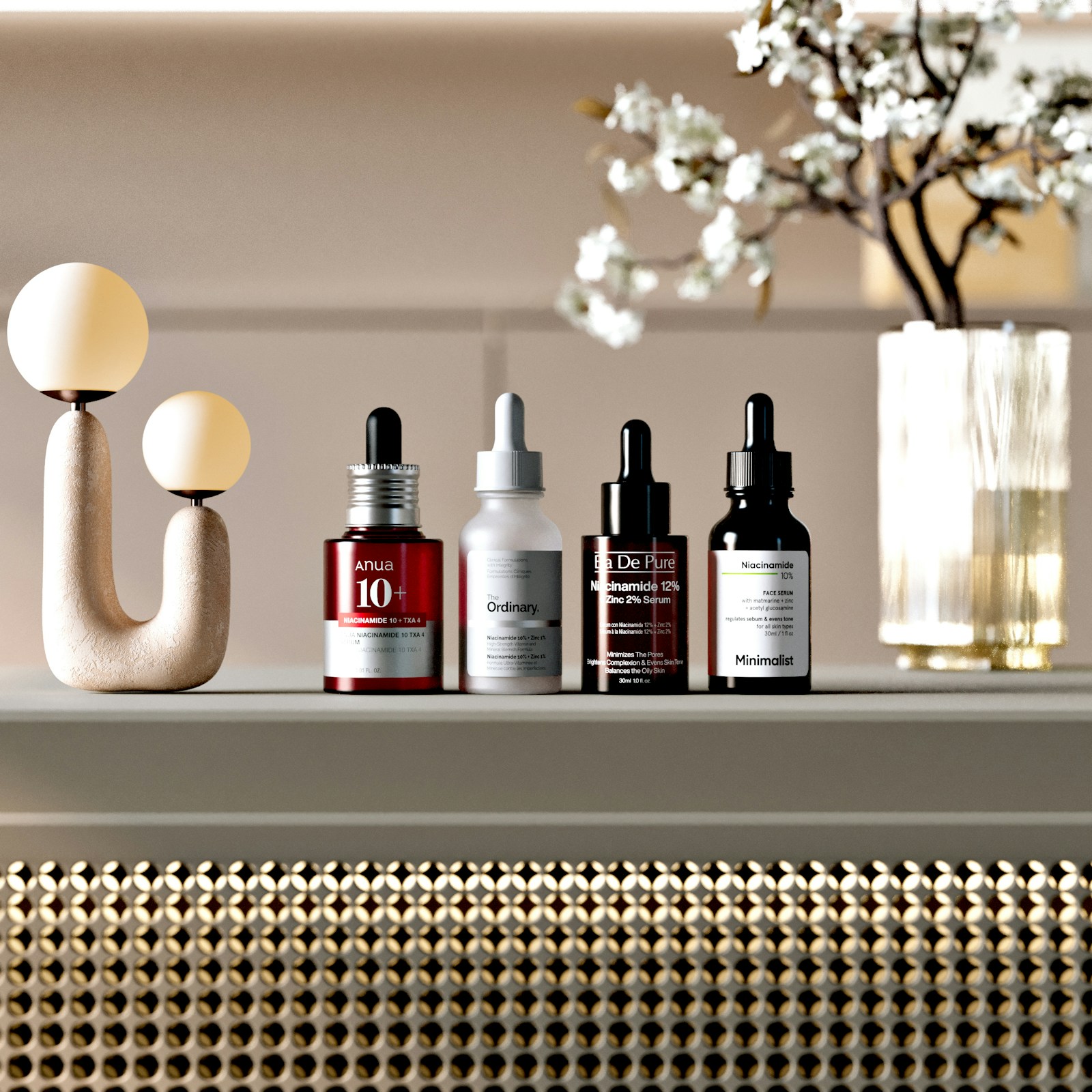
Why 10% Niacinamide Burns Your Wallet (and Your Skin)
You’ll learn why a 5% niacinamide serum usually outperforms a 10% version for most skin types. Most guides chase the hype and miss the science and price‑point pitfalls.
How to Spot a Bad Vitamin C Serum Before It Wastes $50
You’ll learn how to tell when a Vitamin C serum has already oxidized and why most guides miss the cheap tell‑tale signs. The article also lists affordable alternatives that actually stay potent.