$5 Hydrocolloid Beats $30 Micro‑Dart Patches – Here’s Why
You’ll learn which patch truly clears a breakout without draining your wallet. Most guides glorify techy buzzwords while ignoring the chemistry that actually works.
Where to buy it

You’re staring at two options on a glossy site: a $30 “micro‑dart” kit promising to “inject serum” and a $5 pack of plain‑looking hydrocolloid dots that claim to “absorb overnight.” The tension is immediate—spend big for a hype promise or trust the cheap staple that’s been in pharmacies for years. One wrong click can empty your savings and still leave a red dot on your chin.
Do micro‑darts actually puncture a zit?
The micro‑dart narrative hinges on tiny, needle‑like projections that supposedly pierce the pore and deliver anti‑inflammatory actives straight into the pus. In reality, the darts are no sharper than a grain of sand and sit atop the lesion rather than through it. Studies on similar microneedle platforms show limited depth—often less than 0.1 mm—far too shallow to breach an inflamed pustule that can be several millimeters deep.
Even when the darts contact the surface, the so‑called “delivery” is mostly a surface‑level diffusion. The active ingredients listed—often tea tree oil or niacinamide—are dissolved in a silicone matrix that releases slowly, but the matrix itself blocks the bulk of the compound from reaching the core. Users report a faint tingling sensation, which is more likely the polymer drying than any meaningful medication entering the lesion.
Why hydrocolloid is the real acne‑absorbing superhero?
Hydrocolloid patches act like a miniature wound‑dressing, creating a moist environment that draws out excess fluid and sebum through osmosis. The gel layer swells when it contacts the pustule, turning the spot white and flattening it within hours. This physical extraction reduces the bacterial load without any chemical interference, meaning there’s less chance of irritation or allergic flare‑ups.
When the patch is left on for the recommended 6‑12 hours, it also serves as a barrier against external pollutants that could otherwise seed new bacteria. The result is a less conspicuous scar and a faster turnover of the spot, something that a surface‑level dart can’t replicate because it never truly interacts with the fluid inside.
What hidden costs hide behind the glossy packaging?
Packaging for micro‑dart kits often includes individually sealed blister cards, a glossy instruction booklet, and a premium‑feeling box. Those extras inflate the per‑patch price well beyond the raw material cost. In contrast, hydrocolloid patches are typically sold in bulk sheets that you cut to size, meaning the material cost per unit stays low.
Shipping can add another layer of expense. Brands that market “clinical‑grade” micro‑darts frequently ship from overseas fulfillment centers, resulting in higher freight fees and longer delivery windows. The cheap drugstore hydrocolloid options are usually stocked domestically, so you avoid customs duties and can grab a pack from the next aisle.
How to test a patch without blowing your budget?
Start by buying the smallest available pack of each type—often a 5‑patch sample for micro‑darts and a single sheet for hydrocolloid. The total outlay should sit somewhere between $3 and $8 for the hydrocolloid and $10 to $20 for the micro‑dart sample, depending on retailer promotions.
Next, pick a similar breakout on each side of your face and apply the patches simultaneously. Keep a timer and photograph the spots every two hours. Note which one flattens faster, which leaves less residual redness, and whether any itching occurs. This side‑by‑side experiment gives you data without committing to a full‑size box.
Finally, calculate the cost per functional patch based on the results. If the hydrocolloid clears a spot in eight hours for $0.50 per use, while the micro‑dart takes twelve hours and costs $2.50 per use, the math is clear. Add in the hidden packaging and shipping fees you noted earlier, and the price gap widens dramatically.
Can you mix and match for better results?
Mixing isn’t about stacking two products on the same blemish; it’s about using each where it shines. Reserve hydrocolloid for overnight wear when you can let the patch work undisturbed, and keep a micro‑dart on hand for a midday “quick‑fix” if you need a visual cover for an event. The key is to avoid applying a micro‑dart over a hydrocolloid that’s already absorbed fluid, because the polymer can trap the darts and cause unnecessary friction.
If you decide to alternate, track the skin’s response over a week. Some users notice that the hydrocolloid reduces the size enough that a later micro‑dart becomes redundant, saving you both money and potential irritation. Remember that the skin’s barrier can only handle a certain amount of occlusion each day, so give it a break between applications.
What to double‑check before you click ‘Add to Cart’?
Before you hand over any payment details, verify three things: the exact number of patches in the package, the country of origin listed on the label, and whether the seller offers a no‑questions‑asked return policy. These checkpoints prevent surprise shortages, unexpected ingredient bans, and the frustration of being stuck with a product that doesn’t match the description. A quick glance at the FAQ page can save you from an unwanted subscription renewal or a hidden restocking fee.
Where to buy it
More from the shelf
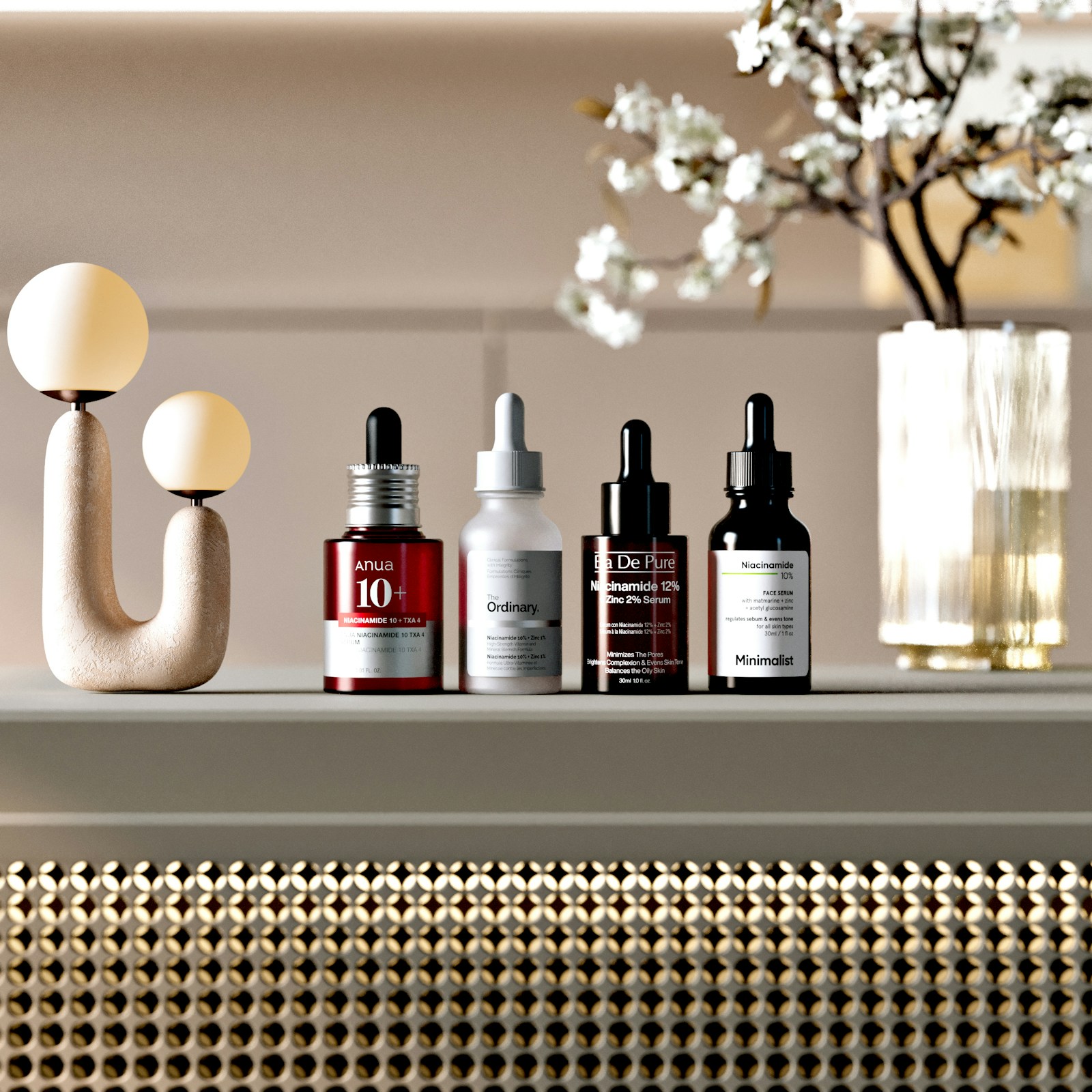
Why 10% Niacinamide Burns Your Wallet (and Your Skin)
You’ll learn why a 5% niacinamide serum usually outperforms a 10% version for most skin types. Most guides chase the hype and miss the science and price‑point pitfalls.

Why $80 Creams Lose to $10 Drugstore Moisturizers
Learn how ingredient lists separate hype from real skin benefits, and why pricey bottles often under‑deliver. Most guides focus on brand hype, not the chemistry that actually matters.
How to Spot a Bad Vitamin C Serum Before It Wastes $50
You’ll learn how to tell when a Vitamin C serum has already oxidized and why most guides miss the cheap tell‑tale signs. The article also lists affordable alternatives that actually stay potent.