How to Spot a Bad Vitamin C Serum Before It Wastes $50
You’ll learn how to tell when a Vitamin C serum has already oxidized and why most guides miss the cheap tell‑tale signs. The article also lists affordable alternatives that actually stay potent.
Where to buy it
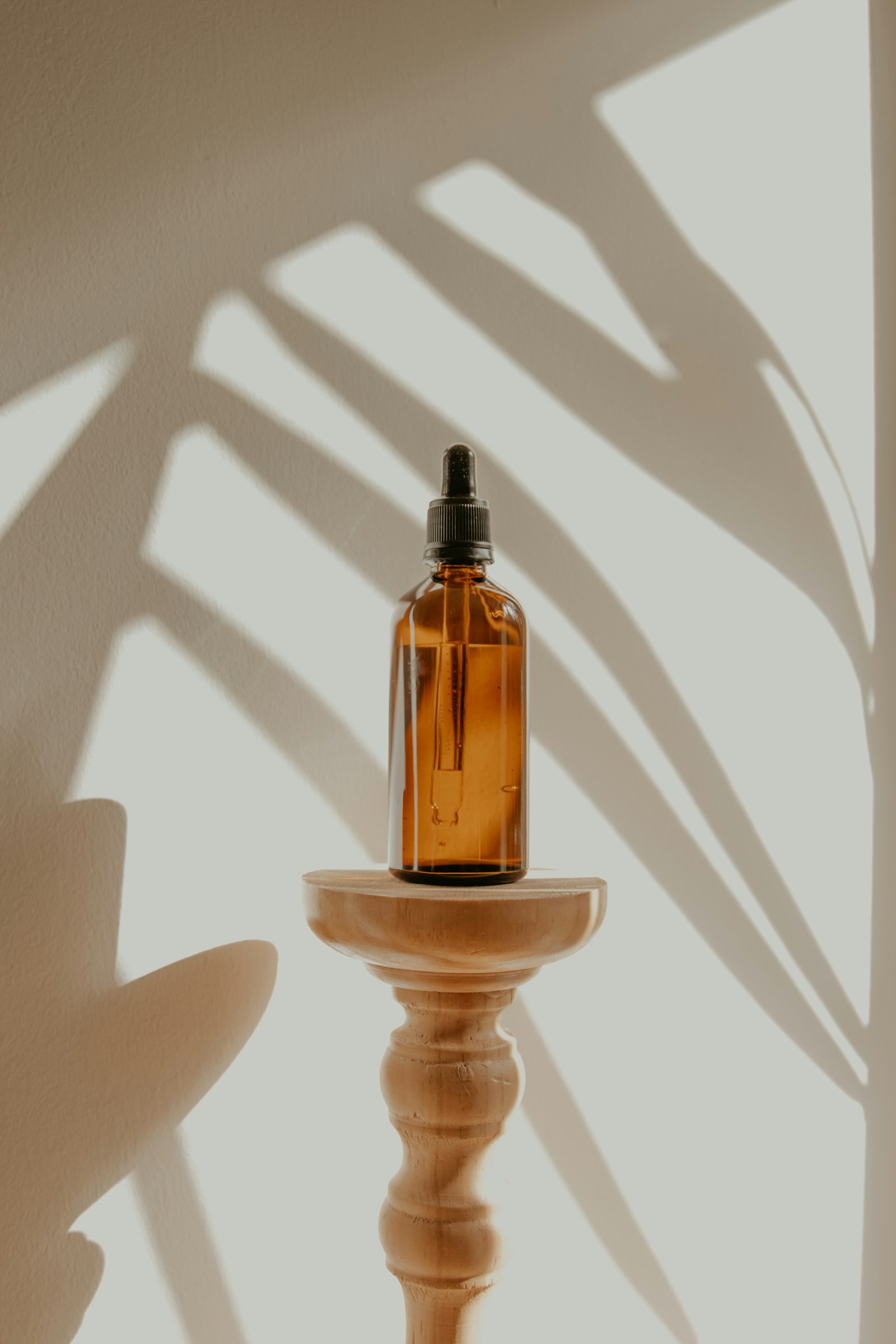
Ever opened a sleek bottle of Vitamin C serum, only to find the liquid looking more like mustard than clear elixir, and wondered why your skin didn’t glow? The tension is real: a few hundred dollars disappear into a jar that’s chemically dead before you’ve even applied the first drop.
Most shoppers trust the “30 % L‑ascorbic acid” badge without checking the chemistry lurking behind the label, and that blind faith fuels a market flooded with half‑baked promises.
If the serum you bought turns yellow, orange, or develops a metallic scent within weeks, oxidation has already taken hold, meaning the antioxidant power you paid for is essentially gone.
The color shift isn’t just an aesthetic flaw; it signals a breakdown of the active molecule, which can even become a pro‑oxidant and irritate sensitive skin.
Look for packaging that fights light and air, because a dark, air‑tight pump can buy you weeks of stability that a flimsy dropper can’t.
Packaging that uses a nitrogen‑flush or an opaque glass bottle often delays the dreaded color change by at least a month, according to independent stability tests.
Stability isn’t solely about the container; the form of Vitamin C matters. L‑ascorbic acid is the most potent but also the most unstable, while derivatives like magnesium ascorbyl phosphate or tetrahydrocurcumin hold up longer under typical bathroom conditions.
Ingredient lists that pair Vitamin C with ferulic acid, vitamin E, or a pH‑buffering system can create a synergistic shield that slows oxidation, but only when the overall formula stays below pH 3.5.
Price doesn’t always dictate performance. A reputable drugstore brand hovering around $15‑$25 per 30 ml often uses stabilized derivatives and airtight pumps, delivering results comparable to boutique jars that cost $60‑$120.
Online reviews that rave about “instant glow” frequently ignore the expiration timeline, so cross‑checking the seller’s batch date can prevent you from buying a product that’s already halfway through its shelf life.
A quick at‑home test involves pouring a pea‑sized amount onto a white ceramic tile and watching the color for 30 seconds; a stable serum remains clear, whereas an oxidized one will develop a faint amber hue.
Before you hand over any cash, verify that the seller lists the exact concentration, pH range, and packaging type—vague marketing copy is a red flag that the brand may be cutting corners on stability.
Do Vitamin C Serums Really Stay Potent Until the Expiry Date?
The short answer: no, most don’t. Even unopened bottles can lose up to 20 % of their active ingredient within the first month if stored near a heat source.
Industry labs routinely expose samples to 40 °C for 24 hours and report a visible shift in absorbance, which translates to a noticeable drop in antioxidant capacity.
What Does the Color Change Actually Mean?
Yellowing indicates that the ascorbic acid has been exposed to oxygen long enough to form dehydroascorbic acid, a less effective form that can even trigger free‑radical activity.
A faint orange tint often means the serum has begun to break down into diketogulonic acid, a compound that contributes to that metallic smell people complain about.
Which Formulations Are Built to Resist Oxidation?
Derivatives such as sodium ascorbyl phosphate stay stable at neutral pH and rarely change color, making them a safe bet for beginners who aren’t obsessive about refrigeration.
Formulas that combine Vitamin C with ferulic acid and vitamin E create a tri‑antioxidant complex that has been shown to retain 80 % of its potency after six weeks of exposure to ambient light.
Where Can You Find Reliable Budget Options?
Drugstore shelves now carry brands that price around $12‑$20 for a 30 ml bottle, featuring opaque pumps and a stabilized magnesium ascorbyl phosphate base.
Boutique lines that charge $45‑$80 often rely on pure L‑ascorbic acid in clear glass, which can be a gamble unless you commit to refrigeration and swift consumption.
How to Test a Bottle Before You Buy?
Step one: ask the retailer to show you the batch code and compare it to the production date listed on the packaging; a gap of more than six months usually signals a higher oxidation risk.
Step two: request a sample or a “scratch‑and‑sniff” test; a fresh serum should have a faint citrus aroma, while a stale one smells metallic or like old fruit.
Step three: bring a small piece of white paper, dab a drop, and observe the color for 15 seconds; clear remains clear, any amber or brown shift means the antioxidants have already started to crumble.
What to Double‑Check Before You Pay Anything?
First, confirm that the product description explicitly states the type of Vitamin C used and the pH range; vague terms like “high concentration” without specifics are a red flag.
Second, verify that the packaging is either an air‑less pump or a nitrogen‑flushed bottle; a simple dropper often lets oxygen in faster than you can finish the product.
Third, look for a transparent return policy that covers oxidation issues; reputable sellers will stand by their stability claims and offer a refund if the serum arrives discolored.
By scrutinizing color, scent, packaging, and ingredient specifics, you can avoid throwing $50‑$100 into a jar that’s already dead on arrival and instead invest in a serum that actually delivers the brightening punch it promises.
Where to buy it
More from the shelf
I Used a $15 Drugstore Retinol and a $90 Serum for Eight Weeks. One Side of My Face Won.
Split-face test, two retinol products, one very irritated left cheek. The cheap bottle did more than I expected, and the expensive one taught me something about packaging.
Five Mineral Sunscreens on Medium-Deep Skin: Which Ones Don't Turn You Into a Ghost
Mineral sunscreen has a white cast reputation for a reason. I tested five popular formulas on medium-deep skin in daylight, and only two passed the selfie test.