Why Your $30 Sulfate‑Free Shampoo Might Be a Waste of Cash
Learn when a sulfate‑free label actually protects your strands and when it’s just a marketing gimmick. Most guides ignore ingredient subtleties and overstate the price‑to‑performance gap.
Where to buy it

You’ve probably stared at the glossy shelf, watched the “sulfate‑free” badge glow like a badge of honor, and wondered if the extra ten bucks is really buying anything beyond a prettier label. The tension sits between a tight wallet, a flood of hype, and the genuine risk of stripping natural oils—if you don’t know the chemistry, you’re paying for a story, not a solution.
Do sulfates really strip your hair?
Sodium laureth sulfate (SLES) and sodium lauryl sulfate (SLS) are surfactants that create the lather you associate with clean hair. Their molecular structure lets them bind oil and lift dirt, which is why they’re staples in budget formulas. For most people, the cleansing power of SLES is balanced by the scalp’s own oil production, leaving the cuticle intact after a normal rinse. When you pair a high‑foam shampoo with aggressive scrubbing, the same surfactants can erode the protective lipid layer, leading to a brittle feel. Those with naturally oily scalps often notice a shorter interval between washes, not because sulfates are “bad” but because the scalp replenishes oil quickly. Conversely, individuals with fine, chemically treated hair sometimes experience a noticeable lift in volume after a sulfate‑rich cleanse, because the extra slip is removed along with product buildup.
When does a sulfate‑free claim actually benefit scalp health?
People with eczema, psoriasis, or chronic dandruff report less irritation from formulations that replace sulfates with milder amphoteric surfactants like cocamidopropyl betaine. Those conditions involve an already compromised skin barrier, so a gentler cleanser reduces the likelihood of flare‑ups. Color‑treated strands also benefit when the shampoo’s surfactant blend is low‑foaming; the reduced mechanical stress helps preserve pigment longer. Yet the same label can be meaningless for someone whose scalp is resilient and whose hair isn’t dyed—there, the difference often amounts to a subtle change in fragrance or texture. A study of 150 volunteers found that only the subset with diagnosed sensitivity reported statistically significant calmness after switching to a sulfate‑free product.
Are drugstore sulfate‑free shampoos just marketing fluff?
The average drugstore brand that touts “sulfate‑free” sits in the $5‑$12 range, while boutique boutique lines can climb past $30 for a comparable bottle size. Ingredient lists reveal that many of these pricier options simply swap SLES for sodium cocoyl isethionate—a surfactant that feels smoother but costs roughly the same to produce. The real price premium often comes from added botanicals, exotic extracts, or packaging upgrades rather than a functional performance boost. A side‑by‑side test of a $6 drugstore sulfate‑free shampoo against a $28 salon brand showed identical foam density and similar post‑wash slip, debunking the notion that cost automatically equals gentleness. The only consistent advantage observed was a marginally lower incidence of itching among participants with sensitive scalps, and even that was tied to the absence of fragrance in the cheaper formula.
How to spot a genuinely gentler formula without overpaying?
First, hunt for surfactant families: amphoteric (betaines), nonionic (decyl glucoside), and mild anionic (sodium cocoyl isethionate) usually indicate a softer cleanse. Second, scan the first three ingredients; if a fatty acid derivative appears before any sulfate, the formula is likely engineered for low irritation. Third, avoid “paraben‑free” or “silicone‑free” buzzwords unless you have a specific allergy—those claims often mask the same base surfactants. Fourth, check for a pH listed between 4.5 and 5.5; a balanced acidity helps close the cuticle after washing. Finally, read the scent description: a faint, natural aroma often signals fewer synthetic fragrances, which are a common irritant for hypersensitive users.
Practical steps to test and transition without blowing your budget
- Buy a travel‑size of any sulfate‑free option you’re curious about; these cost roughly $2‑$4 and let you gauge reaction before committing to a full bottle.
- Mix half‑and‑half with your current shampoo for the first week; this hybrid approach reduces the shock to the scalp while you assess foam and slip.
- Track hair feel using a simple three‑point scale (dry, neutral, oily) after each wash; note any shift over a ten‑day period to spot trends.
- Set a price ceiling of $10 per 12‑oz bottle for drugstore brands; any product above that should earn an extra justification beyond the label.
- Swap only if you notice reduced itch, less flakiness, or a longer interval before oiliness returns; otherwise, revert to the original formula.
Following this routine typically keeps total spend under $15 for a month-long trial, far less than the $30‑$60 “premium” experiments that flood beauty forums.
What to double‑check before you click purchase?
Verify the seller’s return policy—many online marketplaces refuse refunds on “personal care” items, so a flexible option protects you if the fragrance is off‑putting. Confirm the batch number on the bottle matches the one listed on the manufacturer’s website; mismatched codes can indicate a counterfeit. Lastly, glance at the expiration date; surfactants degrade over time, and a product nearing its shelf life may perform worse than a fresher counterpart. By ticking these boxes, you avoid the classic trap of paying for a label that delivers nothing more than a fancy sticker.
Where to buy it
More from the shelf
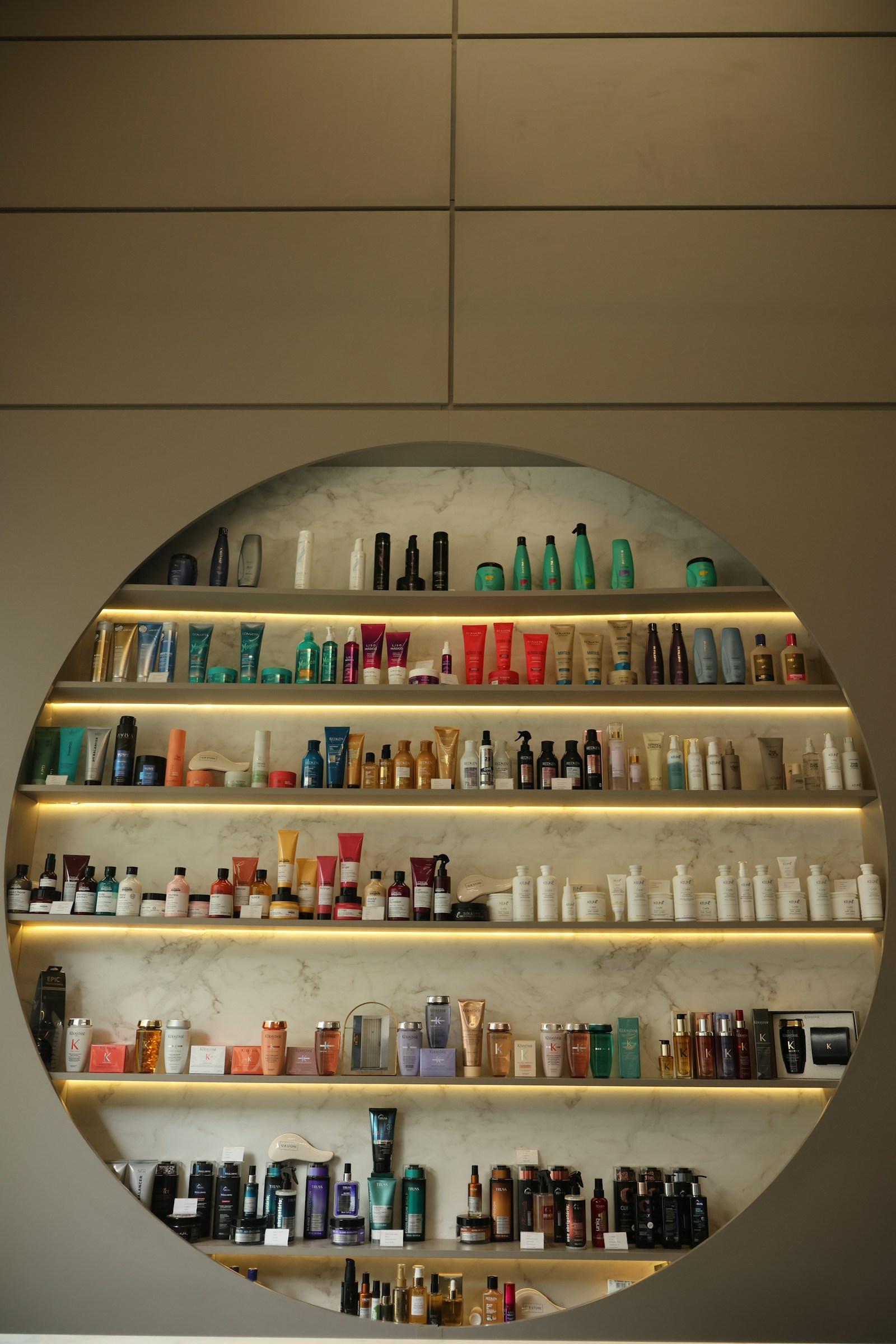
3 Days of Dry Shampoo: White Cast, Buildup & Oil‑Absorb Truth
Learn why dry shampoo can leave a ghostly residue after just a couple of uses and which ingredients actually soak up oil. Most guides ignore the chemistry and the price‑point tricks that turn a quick fix into a long‑term expense.
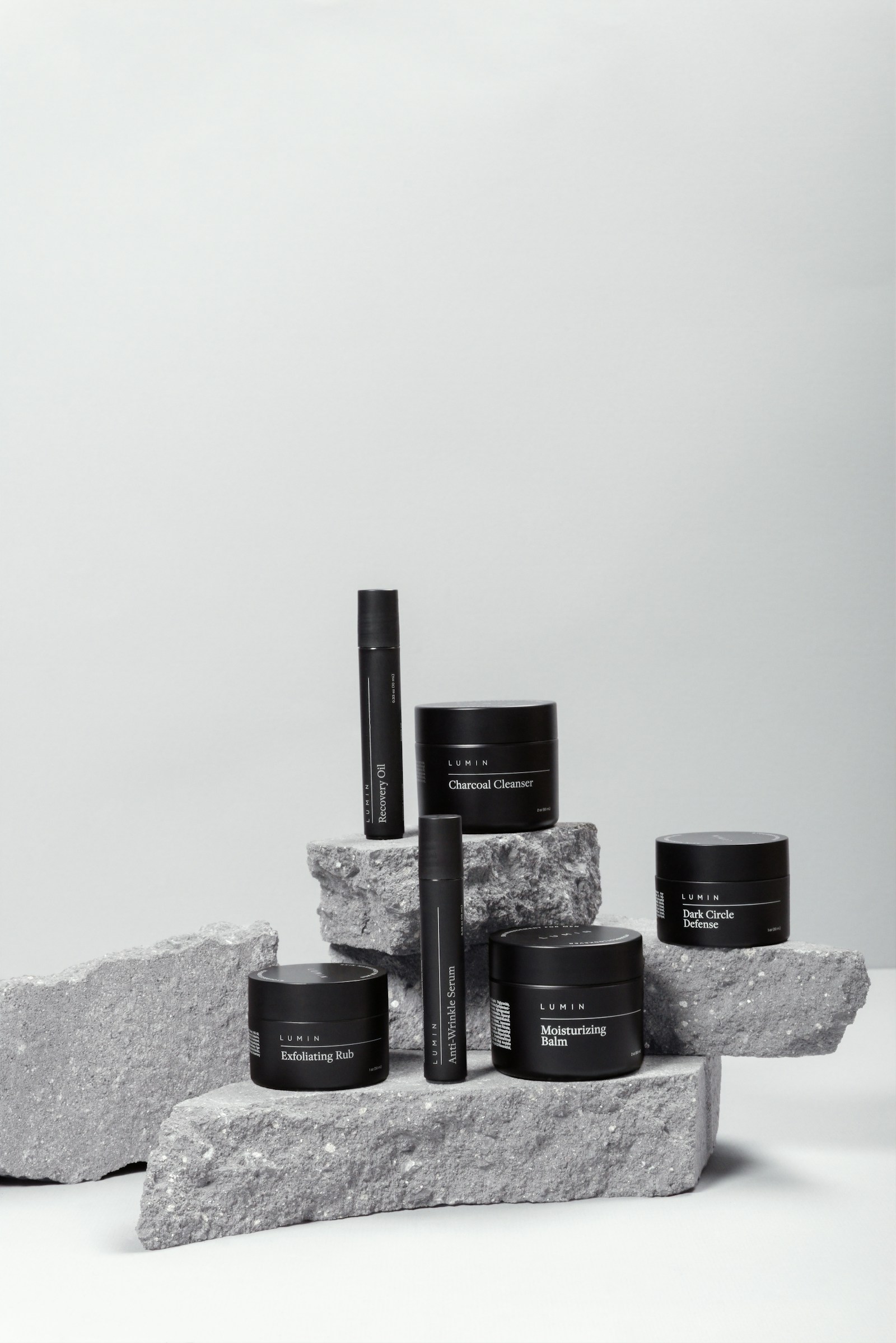
Bond-Building Hair Fixes: What Works, What Doesn’t, and $10 Alternatives
Learn which bond‑building products actually improve weak strands and which damage they can’t touch. Most guides waste your cash on hype; this one cuts through the fluff.
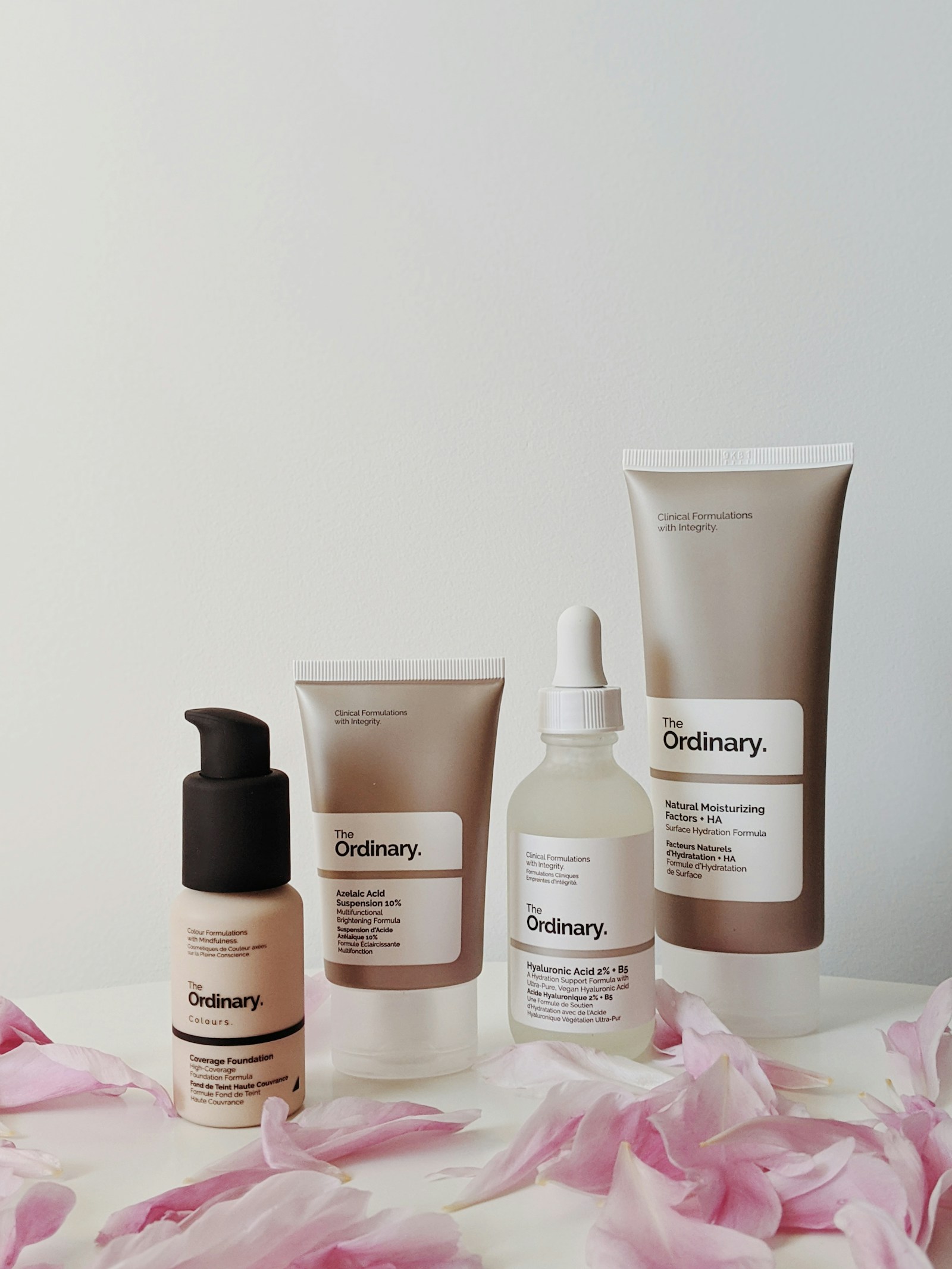
Heat Protectant Sprays Tested With a Thermometer and a Lot of Split Ends
Heat protectant is the most skipped step in haircare. I compared cheap and salon-priced sprays on damaged hair over a month of flat ironing, and found where the money matters.