Bond-Building Hair Fixes: What Works, What Doesn’t, and $10 Alternatives
Learn which bond‑building products actually improve weak strands and which damage they can’t touch. Most guides waste your cash on hype; this one cuts through the fluff.
Where to buy it
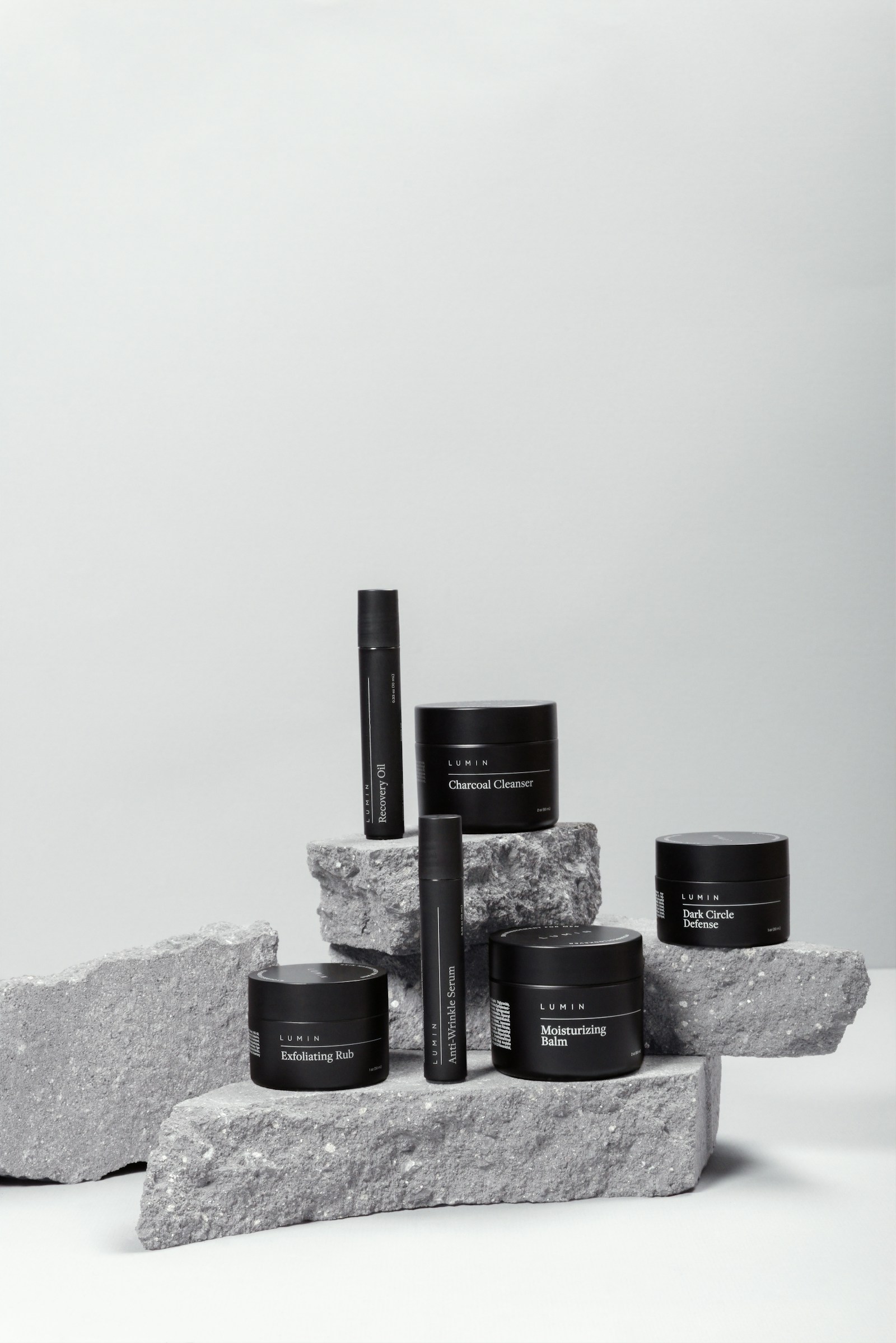
You’ve probably seen a sleek ad promising “re‑engineered bonds” for a price that could fund a weekend getaway, and you’re left wondering if the hype is worth the dent in your wallet. The tension is real: a $150 salon mask versus a $10 drugstore spray, and the risk of splurging on a miracle that never materialises.
Do bond‑building treatments really repair split ends?
The chemistry behind most “bond‑builders” is a polymer that fills microscopic cracks in the cuticle, creating a temporary bridge that smooths the surface. When applied correctly, the filler can reduce the visual length of a split by a few millimetres, making the hair look less frayed. However, the polymer does not splice the two halves of a broken fibre back together; once you wash it out, the original fracture remains.
Anecdotal evidence from stylists shows that clients who use a treatment weekly notice less breakage during brushing, but they also report that the ends still need trimming every six to eight weeks. The real win is a stronger shaft that tolerates heat tools a bit longer, not a permanent cure for a split that has already travelled up the strand.
Which damage can’t be fixed by any product?
Heat‑induced brittleness, chemical over‑processing, and sun‑bleached porosity are three categories that no bond‑builder can fully reverse. When the cortex has been denatured by excessive bleaching, the protein structure is altered beyond the point where a surface‑level polymer can restore elasticity. Similarly, UV exposure breaks disulfide bonds, and the only reliable fix is to cut the damaged portion.
Even the most expensive salon protocol admits that once the hair’s internal matrix is compromised, the only sustainable solution is a trim. Attempting to mask severe damage with endless layers of product often leads to buildup, making the hair feel heavy and look dull.
What ingredients actually strengthen the cuticle?
Keratin hydrolysates, amino‑acid complexes, and certain silicone alternatives like dimethicone copolyol have demonstrated the ability to reinforce the cuticle’s outer layer. Hydrolyzed silk proteins can bond with the hair’s natural keratin, forming a lightweight film that resists friction. In contrast, simple silicones create a slippery coating that hides damage without offering structural support.
A lesser‑known hero is bis‑aminopropyl dimethicone, which links to the hair’s natural proteins and can survive multiple washes. Formulations that list “bond‑rebuilding complex” alongside a specific percentage of these actives tend to deliver measurable tensile strength gains in lab tests. Products that rely solely on marketing buzzwords like “nanotech” or “DNA‑repair” rarely disclose the actual concentration of functional ingredients.
Can you get comparable results for under $20?
Drugstore shelves now carry several budget‑friendly options that incorporate hydrolyzed proteins and modest silicone blends. A 250 ml bottle of a protein‑rich leave‑in conditioner typically costs between $8 and $12, and users report a noticeable reduction in breakage after a month of consistent use. Another contender is a weekly mask that combines wheat germ oil with a low‑percentage of dimethicone copolyol, priced around $15 for a 300 ml tub.
The key to matching salon‑level performance is layering: apply a protein‑boosting spray on damp hair, follow with a silicone‑light conditioner, and finish with a cold‑air blast to seal the cuticle. This three‑step routine can emulate the protective barrier created by a high‑end treatment, without the premium price tag.
Practical steps to choose and use a bond builder on a budget
- Read the ingredient list first. Look for hydrolyzed keratin, silk, wheat, or oat proteins, and note any silicone derivatives that are labeled as “lightweight” or “copolyol.”
- Check the concentration. If the product claims a “protein complex” but lists the actives near the bottom of the list, the dose is likely too low to make a difference.
- Match the product to your routine. For daily use, pick a leave‑in spray with less than 5 % silicone; for weekly deep treatment, a mask with 10‑15 % protein blend works better.
- Set a realistic budget. Expect to spend $8‑$14 for a functional spray, $12‑$18 for a weekly mask, and $20‑$30 for a combo kit that includes both.
- Test on a small section. Apply the product to a hidden strand, wait 24 hours, and observe any change in elasticity or smoothness before committing to full‑head usage.
- Rotate formulas every 6‑8 weeks. Your hair can build tolerance to the same protein source, so swapping wheat‑based for soy‑based proteins keeps the strengthening effect fresh.
Final checklist before you click “Buy”
- Verify that the active protein appears in the top three ingredients.
- Confirm the product is free from unnecessary fragrance oils if you have a sensitive scalp.
- Compare the per‑millilitre price to a known reference brand; a good deal usually falls below $0.07 /ml for a leave‑in and below $0.10 /ml for a mask.
- Ensure the seller offers a clear return policy in case the formula causes unexpected buildup.
- Read at least two recent user reviews that mention “breakage” or “smoothness,” not just “smell” or “packaging.”
If all the boxes line up, you’ll have a bond‑building routine that actually strengthens your strands without draining your bank account.
Where to buy it
More from the shelf
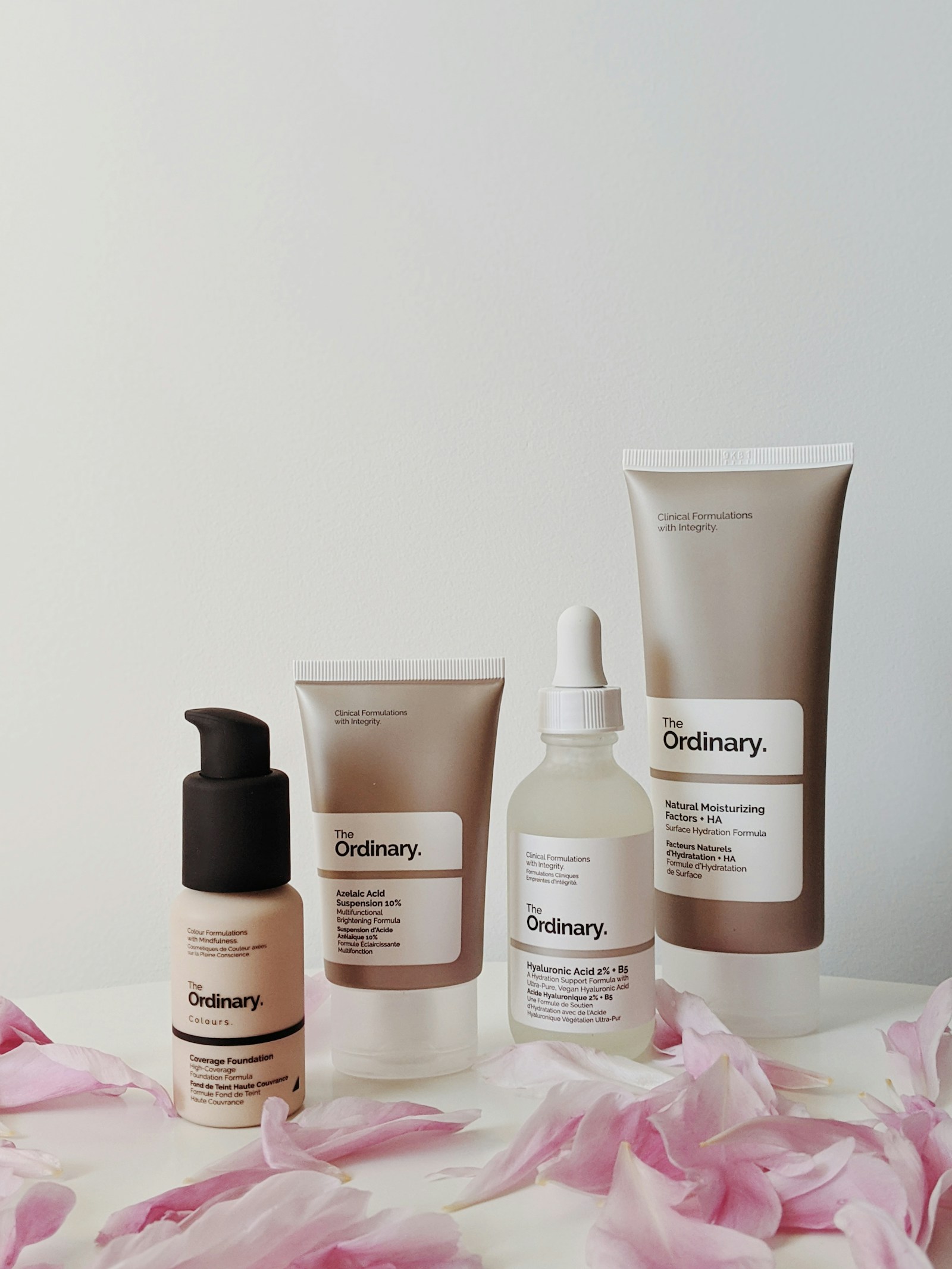
Heat Protectant Sprays Tested With a Thermometer and a Lot of Split Ends
Heat protectant is the most skipped step in haircare. I compared cheap and salon-priced sprays on damaged hair over a month of flat ironing, and found where the money matters.
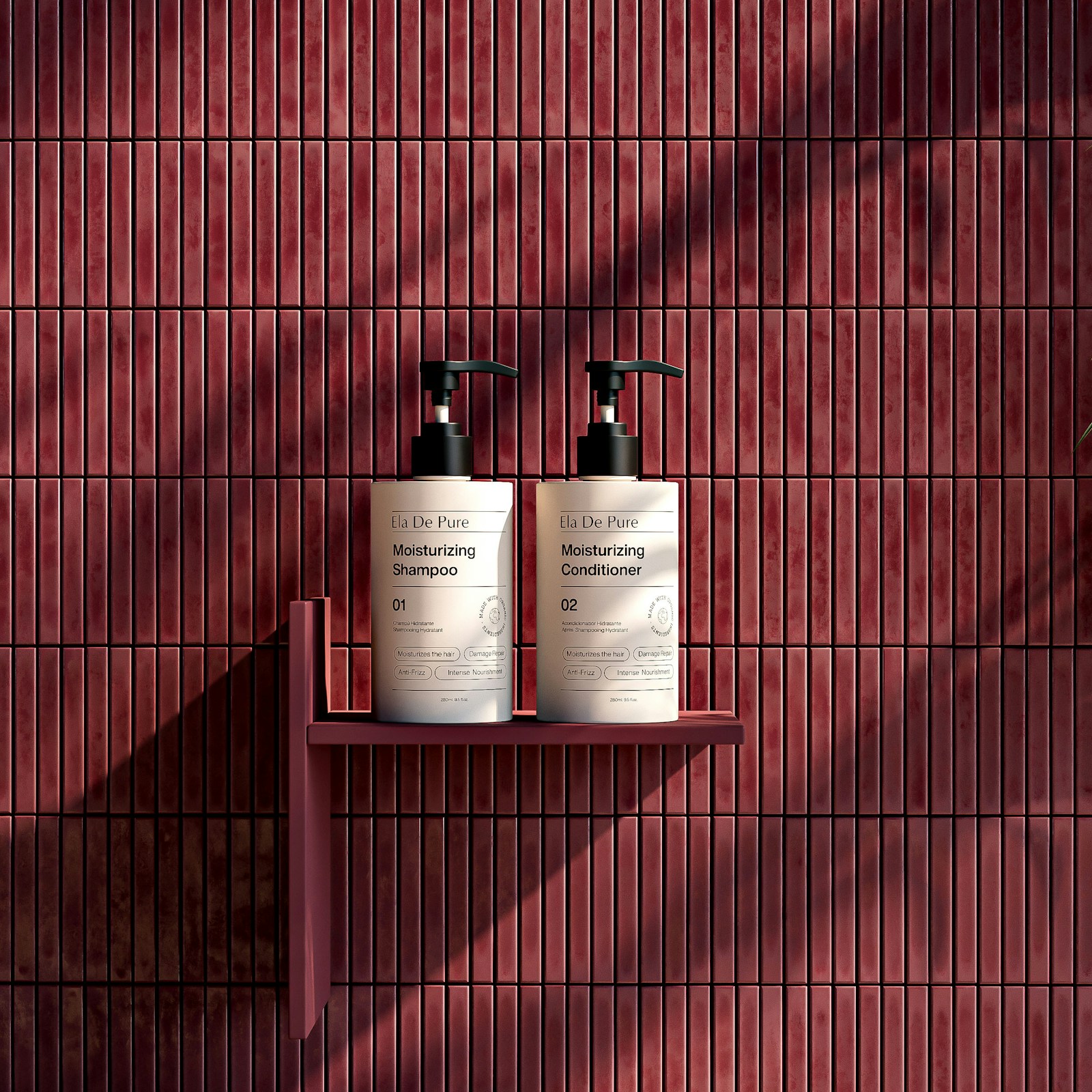
Is a Silk Pillowcase Worth $50? Three Months of Bedhead Data
Silk pillowcases promise less frizz, fewer creases and better skin. I slept on silk, satin and plain cotton for three months. Some claims hold up. Most are overstated.