3 Days of Dry Shampoo: White Cast, Buildup & Oil‑Absorb Truth
Learn why dry shampoo can leave a ghostly residue after just a couple of uses and which ingredients actually soak up oil. Most guides ignore the chemistry and the price‑point tricks that turn a quick fix into a long‑term expense.
Where to buy it
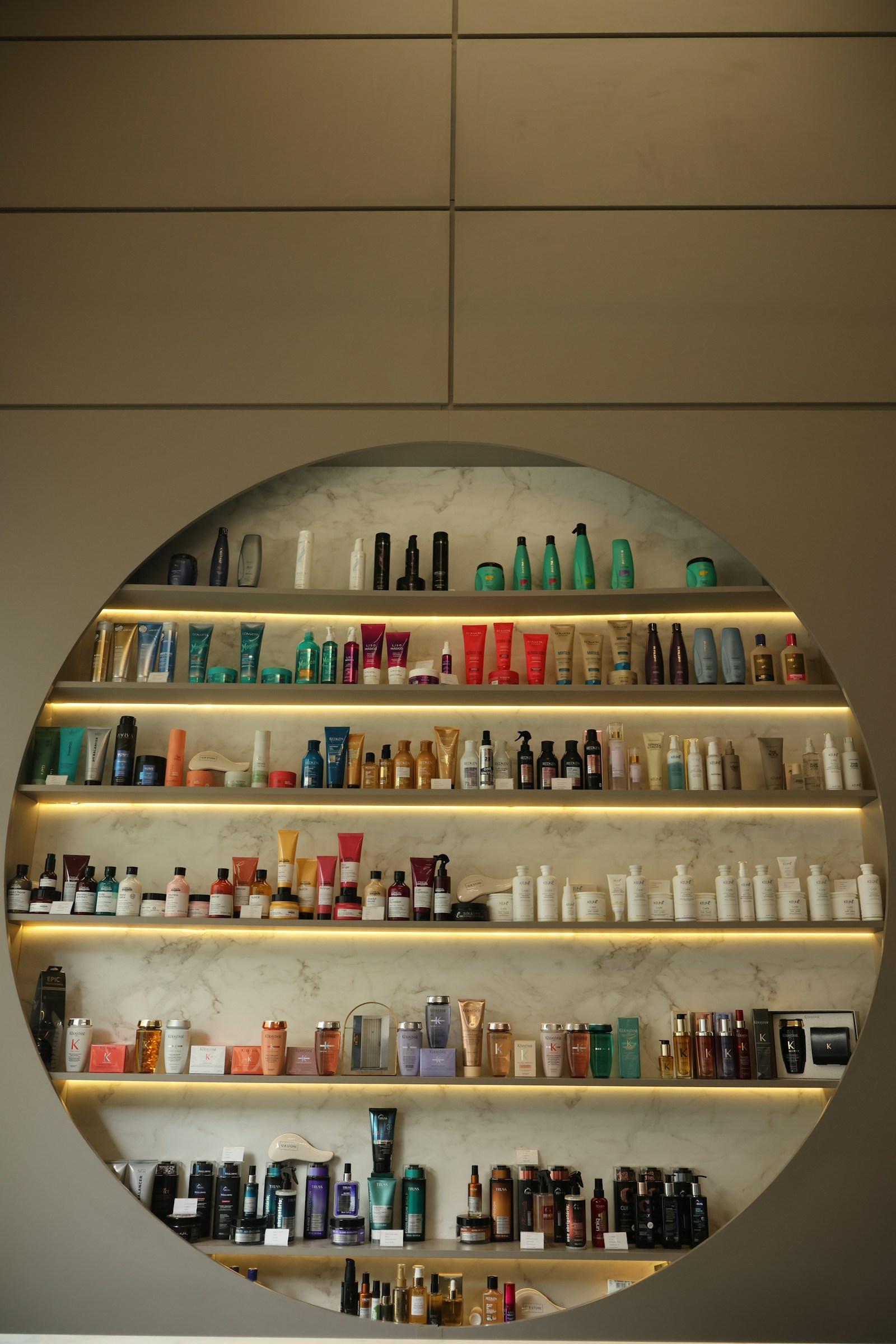
Ever stared at a half‑day‑old pompadour and wondered if the powder you sprayed was a miracle or a money‑sucking illusion? The promise of “clean hair in seconds” hides two hidden costs: a potential chalky film that makes scalp look dull, and a cycle of re‑buying products that never truly solve the greasiness. Skipping the fine print means you’ll either waste cash on pricey boutique formulas or spend weeks battling a flaky mess that no amount of Instagram hype can fix.
Most drugstore versions rely on silica or rice starch, tiny particles that trap surface oil like a sponge. Those same particles sit on the hair shaft, reflecting light and creating the infamous white cast that shows up under bright bulbs. The chemistry is straightforward: starch absorbs oil until its capacity is maxed out, then it starts to flake off like dried paint. That’s why the first couple of sprays feel like a miracle, and the third day feels like a disaster.
The premium labels push “oil‑absorbing polymers” as a superior alternative, yet many of those compounds simply coat the hair rather than pull oil into their structure. In practice, they behave like a second layer of conditioner that slides off when you brush. The result is a slick surface that can trap dirt, making the scalp feel heavier after 48 hours. If your goal is genuine oil reduction, look for ingredients such as zinc ricinoleate or charcoal, which have a proven affinity for sebum molecules.
When you notice a powdery veil after just one application, the culprit is often the particle size. Coarser powders sit atop the cuticle and scatter when you move, while finer blends blend more seamlessly but still leave a subtle sheen. Applying the product too close to the scalp amplifies the visibility because the light hits the powder directly. A quick tip is to spray from a distance of about twelve inches and let the mist settle before you touch it.
If you accidentally over‑apply, the excess powder saturates the hair and begins to clump, turning the scalp into a miniature dust bowl. Those clumps can trap humidity, leading to a sticky feel that makes the next wash feel like a chore. The longer you let the buildup sit, the more it oxidizes, developing a yellowish tint that is harder to remove with a single shampoo. A strategic approach is to limit each use to a thin veil and target only the roots where oil accumulates.
A typical dry‑shampoo routine that stretches three days without a real wash often ends with a faint, flaky layer that resembles dandruff. The flakes form because the starch particles lose their grip on oil once they reach saturation, and the residual powder adheres to each hair strand. This layer can be mistaken for natural scalp shedding, prompting unnecessary trips to the pharmacy for medicated shampoos. The underlying issue is that the product was never meant to replace a proper cleanse beyond 24‑48 hours.
After the third day, the accumulated residue can start to attract dust from the environment, making your hair look dull even in low‑light settings. That dust layer interferes with heat styling, causing uneven temperature distribution and potential damage to the cuticle. The only reliable fix is a clarifying wash that dissolves the mineral particles, but frequent clarifying can strip essential oils, leading to a dry, brittle feel. Balancing the schedule is key to avoid a vicious cycle of over‑cleaning and over‑coating.
Surprisingly, a $6 drugstore spray with a blend of rice starch and a hint of fragrance often outperforms a $30 boutique bottle that relies on synthetic polymers. The cheaper formula typically includes a modest amount of zinc ricinoleate, which chemically bonds with sebum and keeps the scalp feeling fresher for longer. The pricier counterpart may add scents and “luxury” branding, but the core oil‑absorbing technology remains similar. Your wallet will thank you if you test the lower‑priced option first and only upgrade after confirming a real performance boost.
In the realm of budget finds, a reusable silicone scalp brush costs about $8‑$12 and can distribute powder evenly, preventing the dreaded white halo around the crown. Pairing that tool with a mild clarifying shampoo in the $12‑$20 range ensures you can strip away residue without over‑drying. A small travel‑size bottle of a charcoal‑infused dry shampoo sits at roughly $5‑$9 and offers a darker finish that camouflages any lingering cast. Mixing these three items creates a flexible system that handles two‑day extensions without looking like a chalkboard.
Start by buying the cheapest dry shampoo that lists zinc ricinoleate or charcoal among the first three ingredients. Apply only to the roots, keep the nozzle at arm’s length, and let the product settle for thirty seconds before touching your hair. Follow with a few gentle strokes using the silicone brush to disperse any excess powder and avoid clumping. If you reach the 48‑hour mark and the hair still feels oily, introduce a clarifying wash, limiting it to once a week to protect natural oils.
Add a budget‑friendly scalp exfoliant—often a scrub with fine sugar crystals—for a quick deep‑clean before the next dry‑shampoo cycle. These scrubs usually cost $4‑$7 and can be used in the shower for a minute, loosening any stubborn particles that escaped the brush. Rotate the exfoliant with your regular shampoo every other wash to keep the scalp environment balanced and prevent buildup from becoming a permanent layer. This rotation also extends the life of your dry‑shampoo stash, stretching a $7 bottle over several weeks.
Remember to keep a simple log on your phone, noting the day you applied dry shampoo and any visible changes in texture or color. The log will reveal patterns, such as a specific brand that leaves less residue or a time of day when the product holds up better. Use the data to fine‑tune the interval between applications, aiming for a sweet spot where the scalp feels fresh without the need for a full wash. Over time, the log becomes a personal guide that saves both time and cash.
Double‑check the ingredient list before you click “add to cart.” Look for any fragrance mixes that can irritate sensitive scalps, and verify that the primary oil‑absorbing agents are positioned near the top of the list. Confirm the return policy in case the shade or texture doesn’t match your expectations, and compare the price per gram to ensure you aren’t overpaying for a brand name. A quick glance at these details can prevent a costly disappointment before you even open the package.
Where to buy it
More from the shelf

Why Your $30 Sulfate‑Free Shampoo Might Be a Waste of Cash
Learn when a sulfate‑free label actually protects your strands and when it’s just a marketing gimmick. Most guides ignore ingredient subtleties and overstate the price‑to‑performance gap.
Bond-Building Hair Fixes: What Works, What Doesn’t, and $10 Alternatives
Learn which bond‑building products actually improve weak strands and which damage they can’t touch. Most guides waste your cash on hype; this one cuts through the fluff.
Heat Protectant Sprays Tested With a Thermometer and a Lot of Split Ends
Heat protectant is the most skipped step in haircare. I compared cheap and salon-priced sprays on damaged hair over a month of flat ironing, and found where the money matters.