How to Snag a Signature Scent for Under $30
You’ll learn how to use discovery sets and sample programs to lock down a personal fragrance without blowing your budget. Most guides overlook the hidden costs of shipping, expiration dates, and brand‑specific restrictions.
Where to find this scent
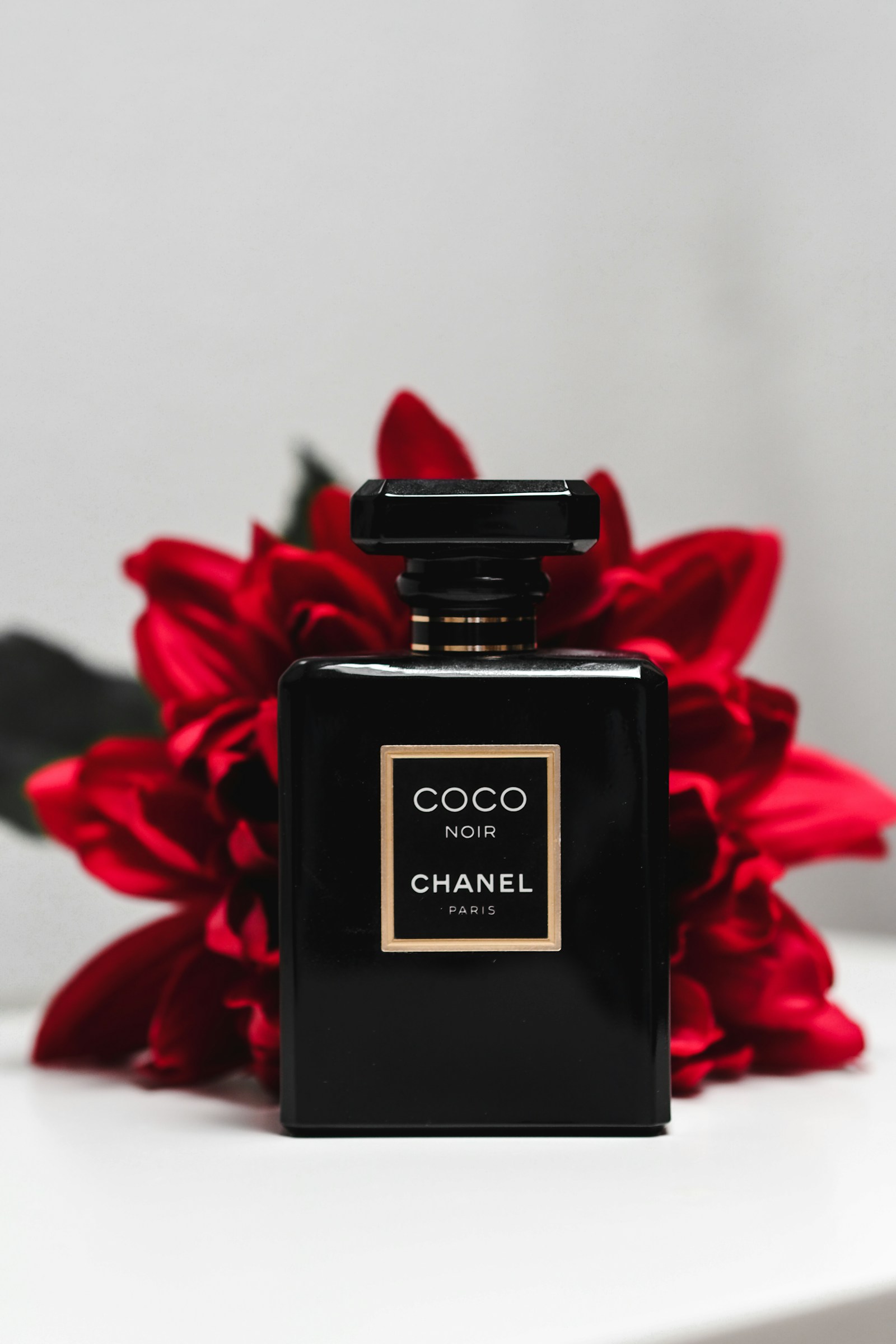
You’ve probably stared at a glossy ad, imagined yourself cloaked in a luxe aura, and then watched a $120 bottle disappear from your cart before you even smelled it. The paradox is simple: the scent you crave lives behind a price tag that makes most people hesitate, yet the same fragrance often hides in a $10‑$20 mini‑kit that marketers bury under “premium” language. The tension between a wallet that refuses to be emptied and a nose that refuses to settle on a generic “fresh” note fuels endless buying‑regret cycles.
Why Full‑Size Bottles Burn Your Wallet
Buying a full bottle without a trial is a gamble that most of us have lost at least once. Retailers love the “buy one, get one free” hook, but the free item is usually a low‑grade variant that smells nothing like the advertised original. A single splash can last six months if you’re frugal, but the initial outlay still dwarfs a month’s rent for many students.
Even clearance racks hide a premium markup. Stores often label a 30 ml bottle as “clearance” while the shelf price remains 30 % higher than the cost of a comparable sample set. The math works out: a $25 clearance bottle versus a $12 discovery set that contains three to five different scents. The latter gives you a broader palette for less than half the price.
Which Discovery Sets Actually Deliver Variety
Not every “discovery set” lives up to its promise. Some brands bundle three identical copies of the same fragrance, disguising the lack of variety with fancy packaging. Look for sets that list each scent by name and include a brief olfactory description on the box or product page.
Brands that target the drugstore crowd—think Zara, The Body Shop, and Bath & Body Works—often release seasonal mini‑collections that rotate every quarter. Those releases typically cost between $8 and $15 and contain four distinct fragrances, each in a 2 ml vial. Because the vials are tiny, you can test a scent on your skin for a full day without committing to a larger volume.
Luxury houses sometimes offer “sample subscription” programs that ship a new 5 ml vial each month for $20‑$25. While the monthly fee seems steep, the cumulative cost after six months is still under $150, which equals roughly the price of a single full‑size bottle from the same house. If you’re hunting for a signature scent, you’ll have tried half a dozen options before deciding.
How to Combine Samples for a Custom Test Run
The real power of samples lies in layering. Take a citrus top note from a budget set, pair it with a woody base from a luxury mini, and you’ve crafted a hybrid that might outperform either original. Use a small glass spray bottle—available for under $5 at craft stores—to mix 2 ml of each sample. Shake gently, then spray on pulse points to see how the blend evolves over eight hours.
Keep a spreadsheet or a simple notebook entry for each experiment. Note the brand, the individual scent names, the ratio you used, and the date you tried it. After a week of tracking, patterns emerge: perhaps you favor amber bases with bergamot highs, or maybe you consistently avoid anything with heavy musk. This data‑driven approach eliminates the guesswork that most “quick‑pick” guides ignore.
Don’t forget to check the expiration dates on sample vials. Many drugstore miniatures are sealed with a date six to twelve months out, but discount sites sometimes ship older stock. A scent past its prime can smell sour, leading you to dismiss a formula that would have been perfect a few months earlier.
Practical Action Steps and Realistic Costs
- Scout free sample programs. Brands like Jo Malone and Le Labo occasionally mail a single 2 ml vial when you sign up for their newsletters. The cost is zero, but you’ll need to provide an address and tolerate occasional promotional emails.
- Purchase a mixed‑brand discovery set. Look for sets that combine at least three different houses; these usually sit in the $12‑$18 range on sites like Amazon, Target, or the brands’ own e‑commerce portals.
- Invest in a small atomizer. A 5 ml spray bottle with a fine mist tip costs $3‑$6 and lets you blend on the go without contaminating original vials.
- Allocate a “testing budget.” Set aside $20‑$30 per month for new samples. This amount covers two to three new mini‑vials, a replacement atomizer if needed, and a modest buffer for shipping fees that can range from free to $5 depending on the retailer.
- Use a fragrance journal. A simple spiral notebook costs $1‑$2; digital alternatives like Google Sheets are free. Recording impressions prevents duplicate purchases and sharpens your nose over time.
By the end of a three‑month cycle, you’ll have sampled roughly ten distinct fragrances, mixed a handful of custom blends, and spent no more than $90. That budget is roughly the cost of a single high‑end 50 ml bottle, yet the information you’ve gathered is priceless.
What to Double‑Check Before You Hand Over Money
Verify the return policy on any set that lists a “satisfaction guarantee.” Some retailers accept unopened vials within 14 days, while others treat the sale as final the moment the package leaves the warehouse. Confirm whether the listed price includes tax and shipping; hidden fees can turn a $15 set into a $22 surprise at checkout. Finally, read recent customer reviews for clues about scent accuracy; a set praised for “true-to‑advertising” scents is more reliable than one where reviewers complain about “overly sweet” or “off‑notes” that differ from the advertised profile.
---
Where to find this scent
More from the shelf
Copy a $150 Fragrance for Under $30: 5 Layering Hacks
Learn how to blend drugstore sprays into a scent that smells like a high‑end bottle. Most guides miss the chemistry, focusing on “just add more” instead of strategic note pairing.
Why Your Body Mist Vanishes by Lunch (and How to Fix It)
Learn why body mists sputter out before the workday ends and which ingredients actually keep a scent alive. Most guides ignore concentration and skin chemistry, leading to costly repeat purchases.
Designer Perfume Dupes, Ranked by How Long They Actually Last
Fragrance dupes have exploded. Some smell close at first spray and vanish in an hour. I wore six dupes against the originals and tracked the drydown, not just the opening.