Why Your Body Mist Vanishes by Lunch (and How to Fix It)
Learn why body mists sputter out before the workday ends and which ingredients actually keep a scent alive. Most guides ignore concentration and skin chemistry, leading to costly repeat purchases.
Where to find this scent
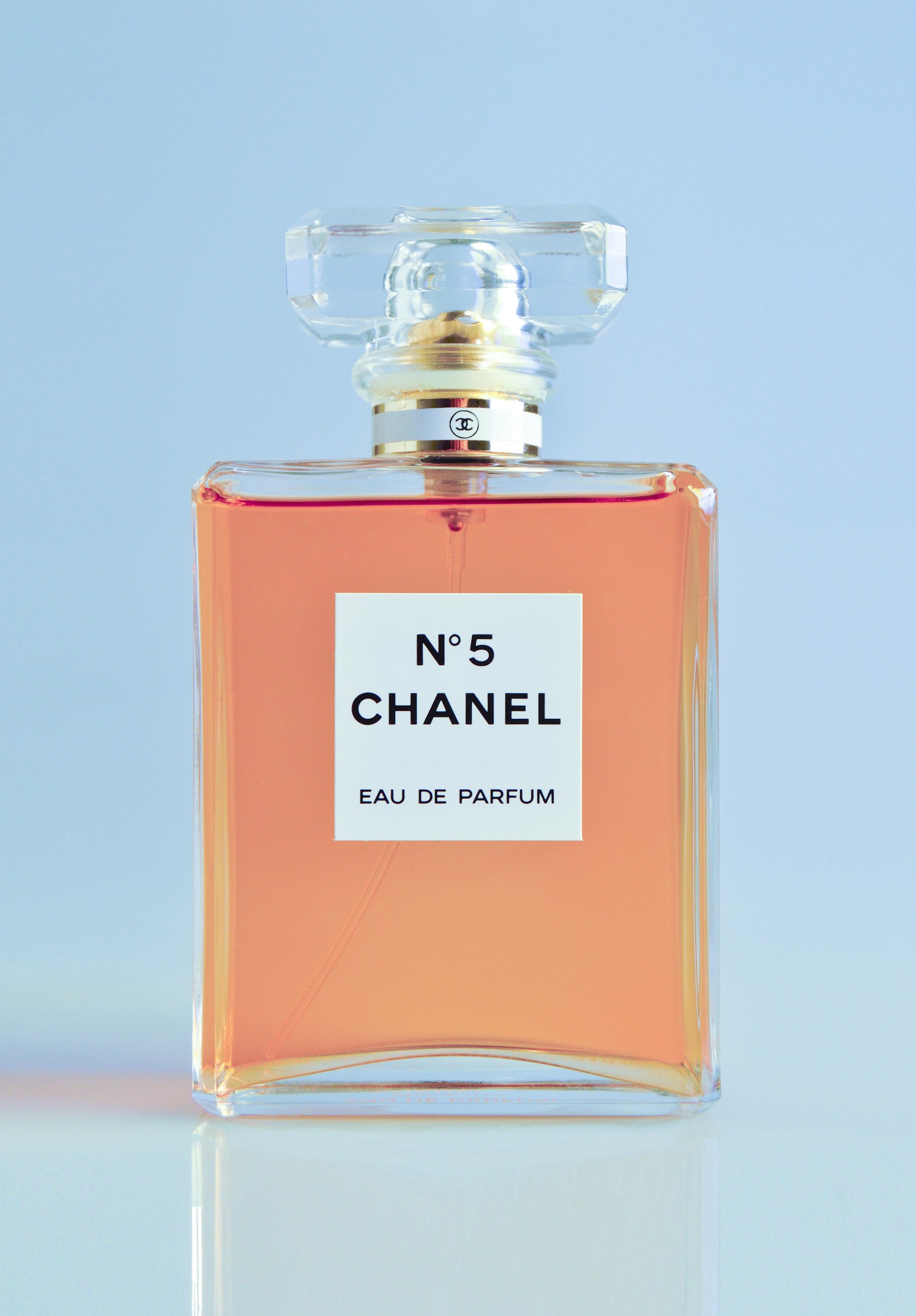
Ever walked out of the cosmetics aisle with a $30 mist, convinced it would become your signature, only to smell nothing by 2 p.m.? The disappointment isn’t a coincidence; it’s a textbook case of paying for marketing fluff while ignoring chemistry. The real risk sits in the fine print: concentration levels, carrier oils, and the way your skin metabolizes alcohol. Understanding those variables saves you from the endless cycle of “new scent, same result.”
Most beginners lump body mists and eau de parfums together because the bottles look alike and the ads promise “all‑day wear.” That shortcut hides a massive gap in fragrance concentration. A typical mist contains roughly 1‑3 % aromatic compounds diluted in a water‑alcohol base, whereas an eau de parfum packs 15‑20 % into a similar volume. The math means a mist releases a puff of scent then evaporates almost as fast as the carrier evaporates, leaving you with a whisper instead of a presence.
Because the volatile solvents in mists are engineered for a quick “first impression,” they lack the fixatives that anchor notes to your skin. Fixatives such as musk, amber, or synthetic polymers linger by binding to skin oils, slowing the rate of diffusion. Without them, the top notes—citrus, watery florals—disappear the moment the alcohol burns off, and nothing remains to transition into the heart or base.
In contrast, eau de parfum formulations deliberately incorporate heavier base notes that dissolve slowly and interact with sebum. This interaction creates a micro‑reservoir on the epidermis, releasing scent molecules over several hours. The higher oil content also means the perfume doesn’t dry out as quickly, preserving the intended fragrance pyramid from opening to dry‑down.
When you test a fragrance on a paper strip at a store, you’re essentially sniffing a neutral surface that doesn’t absorb any of the perfume. Your skin, however, introduces acidity, temperature, and natural oils that drastically alter projection. A mist that smells “perfect” on a blotter can feel like a breeze on your arm because the carrier lacks the grip to cling to the flesh. Conversely, a modest‑priced parfum may seem faint at the counter but blossom after a few minutes of skin chemistry at work.
Those who chase “lighter” scents often ignore the role of pH. Body mists typically sit at a near‑neutral pH, while many perfumers formulate edps around a slightly acidic range that matches the skin’s natural pH (around 5.5). This subtle alignment reduces the rate at which the fragrance molecules break down, extending the aromatic life. A mismatched pH can accelerate oxidation, making the scent fade faster—or worse, develop an off‑note mid‑day.
If you’re determined to keep a mist alive without splurging on a designer edp, start by layering. Apply an unscented body lotion first; the added moisturization creates a tackier surface for the mist to adhere to. Follow with a matching or complementary body spray, then finish with a dab of a fragrance‑free petroleum jelly on pulse points. This cheap “oil sandwich” can add roughly 2‑4 hours of scent life, turning a fleeting puff into a respectable linger.
Layering isn’t the only hack. Spritz the mist from a distance of 6‑8 inches rather than a close burst; the wider aerosol creates a finer mist that settles more evenly across the skin, reducing runoff. Store bottles in a cool, dark drawer instead of the bathroom; heat and humidity degrade volatile compounds, shortening their lifespan by a noticeable margin. Both tweaks cost nothing but a minute of attention and can shift the wear time from “minutes” to “mid‑afternoon.”
A realistic budget for boosting longevity starts at $0 if you already own a plain moisturizer, but adding a dedicated fragrance‑enhancing primer runs $15‑$30 per bottle and lasts for dozens of applications. If you prefer a single product, look for “long‑lasting body spray” lines that list a concentration of 5‑7 %—they hover in the $20‑$35 range and often include fixatives without the price tag of an edp. For those willing to experiment, a small vial of fragrance oil (approximately $10‑$20) can be mixed into a mist bottle, effectively raising its aromatic percentage without buying a new bottle.
Don’t fall for the “12‑hour guarantee” plastered on many mist ads. Those claims usually rely on a controlled lab environment where temperature, humidity, and skin type are standardized. Real‑world wear involves office air‑conditioning, coffee‑break sweat, and the occasional lunch‑hour perfume clash. The guarantee often excludes “normal use,” meaning the marketing department has already built a safety net for the average consumer’s disappointment.
Remember that many brands release “duplicate” scents across different formats—mist, eau de toilette, and eau de parfum—at wildly varying price points. The duplicate label is a marketing ploy to upsell; the mist version typically contains less of the same “signature” notes, not a cheaper version of the same formula. Checking the INCI (International Nomenclature of Cosmetic Ingredients) list can reveal whether you’re buying a watered‑down version or a truly distinct fragrance.
Before you swipe your card, double‑check three things: the concentration percentage listed on the bottle or brand website, the presence of any fixatives or base notes in the ingredient list, and the storage recommendations from the manufacturer. Verifying these details prevents you from mistaking a cheaply packaged mist for a long‑lasting perfume, and it keeps your wallet from the same fate as that vanished lunchtime scent.
Where to find this scent
More from the shelf
Designer Perfume Dupes, Ranked by How Long They Actually Last
Fragrance dupes have exploded. Some smell close at first spray and vanish in an hour. I wore six dupes against the originals and tracked the drydown, not just the opening.
Perfume Gift Sets Are Usually a Better Deal Than the Bottle. Usually.
Holiday fragrance gift sets bundle a full bottle with minis and lotion. I ran the per-milliliter math on popular sets. Most are solid deals, a few are pure filler.