Copy a $150 Fragrance for Under $30: 5 Layering Hacks
Learn how to blend drugstore sprays into a scent that smells like a high‑end bottle. Most guides miss the chemistry, focusing on “just add more” instead of strategic note pairing.
Where to find this scent
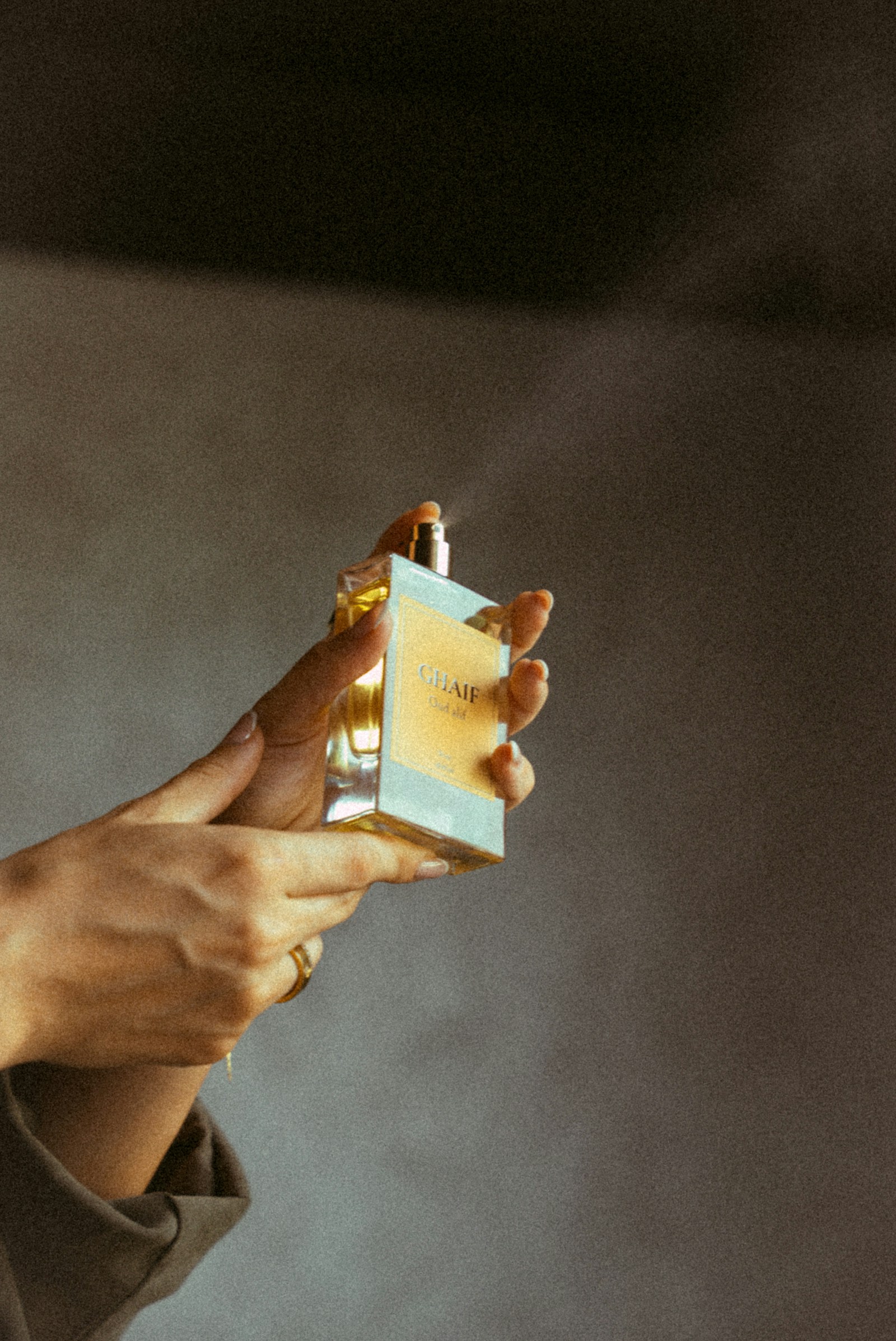
The moment you open a $150 niche bottle and sniff a $20 copy, the sting of wasted cash hits hard. Everyone tells you to “spray a little more” and hope the magic happens, but the reality is a fragile balance of top, heart, and base notes that can collapse with one off‑key ingredient. You’re walking a tightrope between a clever hack and a scented disaster, and the line is thinner than the last spray on a cheap bottle. Knowing the rules before you start mixing saves both your nose and your wallet.
Can you really copy a niche scent with drugstore layers?
Most people assume that dumping three random sprays together will somehow approximate a designer masterpiece. In practice, a successful stack mirrors the structure of the target fragrance: a bright opening, a recognizable middle, and a lingering finish. Selecting a cheap citrus spritz for the top, a floral mist for the heart, and a woody aftershave for the base reproduces the architecture without the price tag. The trick lies in matching the intensity of each layer, not just the scent family.
A common mistake is to over‑apply the cheapest component, which drowns out subtler notes and creates a cloying mess. Instead, treat each spray like a musical instrument, letting the softer parts play underneath the louder ones. When the balance holds, the overall impression can fool even a seasoned perfume collector.
Which note families play well together?
Citrus, aromatic herbs, and light florals tend to coexist without competing for attention, making them ideal for the opening phase. A splash of grapefruit body spray paired with a splash of basil cologne often yields a fresh, airy top that mimics bright bergamot or lemon‑cedar accords found in premium scents. Those two can be followed by a rose‑toned body mist; the subtle pink petal nuance adds a heart that feels familiar to many modern floral‑amber compositions.
For the base, amber, vanilla, and soft woods like cedar or sandalwood provide depth without overwhelming the earlier layers. A budget vanilla hand cream applied after the sprays adds a creamy anchor that lingers on skin for hours. Pairing that with a light musk body spray introduces a skin‑like veil, rounding out the composition in a way that mirrors expensive amber‑musk blends.
When the stack backfires: common clash combos
Combining a heavy spice spray with a bright citrus top usually ends in a sour, medicinal whiff that no one wants. The sharp acidity of lemon can accentuate the peppery edge of a hot cinnamon spray, resulting in an off‑balance experience that feels more like a kitchen mishap than a luxury perfume. Another frequent pitfall is layering a sweet gourmand mist over a smoky incense cologne; the sugar notes can become gummy, while the smoke turns bitter.
Mixing two strong base notes—such as a dense leather aftershave with a thick patchouli body spray—can create a muddy foundation that masks the entire stack. The resulting odor often smells like a damp basement rather than a sophisticated leather‑amber hybrid. Keeping each layer within its own intensity tier prevents the scent from collapsing into a single, unidentifiable blob.
How many sprays and timing matter more than price?
A single mist of the top‑note product should hit the pulse points first; this ensures the opening is projected before the heart and base settle. Waiting about 10 seconds between each spray allows the previous layer to dry slightly, preventing the chemicals from mixing too aggressively. Applying the heart note next, followed by a light rub, helps the middle notes adhere to the skin’s natural oils.
The final base layer benefits from a light pat rather than a spray, especially when using a cream or balm. This method spreads the heavier molecules evenly, reducing the chance of a concentrated spot that could smell overly woody. Adjusting the number of sprays—typically one for the top, two for the heart, and a half‑spray of the base—creates a proportional structure similar to a boutique fragrance.
Step‑by‑step budget stack for a popular $150 amber fragrance
- Top – Choose a $8–$12 grapefruit‑mint body spray. Spray once onto each wrist and the inner elbow.
- Heart – Pick a $6–$10 rose‑toned mist, preferably one that lists “rose” or “peony” near the top of the ingredient list. Apply two quick sprays to the neck and chest.
- Base – Grab a $5–$9 vanilla hand cream; a pea‑size amount on each hand works. Rub hands together, then lightly press the palms onto the pulse points already scented.
- Finish – Add a $4–$7 light musk spray, one mist to the back of the knees. This spot releases scent as you move, extending longevity.
Total outlay stays between $23 and $38, far below the original price tag. The combination reproduces the bright opening, floral heart, and warm amber trail of the high‑end version, with a wear time that often reaches eight hours on average skin. Adjust the number of heart sprays up or down depending on personal strength; the core structure remains intact.
What to double‑check before you hand over cash
Confirm that each product lists the target note within its first five ingredients; this guarantees enough concentration to influence the stack. Test every component on a small patch of skin for at least 30 minutes to rule out unexpected reactions or rapid fading. Verify the retailer’s return policy; many drugstores accept unopened items within 30 days, giving you a safety net if a chosen spray simply doesn’t blend. Lastly, compare the shelf life—look for a “best before” date no older than two years to ensure the aromatics haven’t deteriorated. Doing this homework protects both your scent aspirations and your budget.
Where to find this scent
More from the shelf
How to Snag a Signature Scent for Under $30
You’ll learn how to use discovery sets and sample programs to lock down a personal fragrance without blowing your budget. Most guides overlook the hidden costs of shipping, expiration dates, and brand‑specific restrictions.
Why Your Body Mist Vanishes by Lunch (and How to Fix It)
Learn why body mists sputter out before the workday ends and which ingredients actually keep a scent alive. Most guides ignore concentration and skin chemistry, leading to costly repeat purchases.
Designer Perfume Dupes, Ranked by How Long They Actually Last
Fragrance dupes have exploded. Some smell close at first spray and vanish in an hour. I wore six dupes against the originals and tracked the drydown, not just the opening.