Skip $30 Sticky Lip Oils – 3 Non‑Gooey Winners
You’ll learn which lip oils actually glide and which trap your lips in a tacky film. Most guides miss the ingredient checklist and the cheap alternatives that outperform pricey hype.
Where to buy it
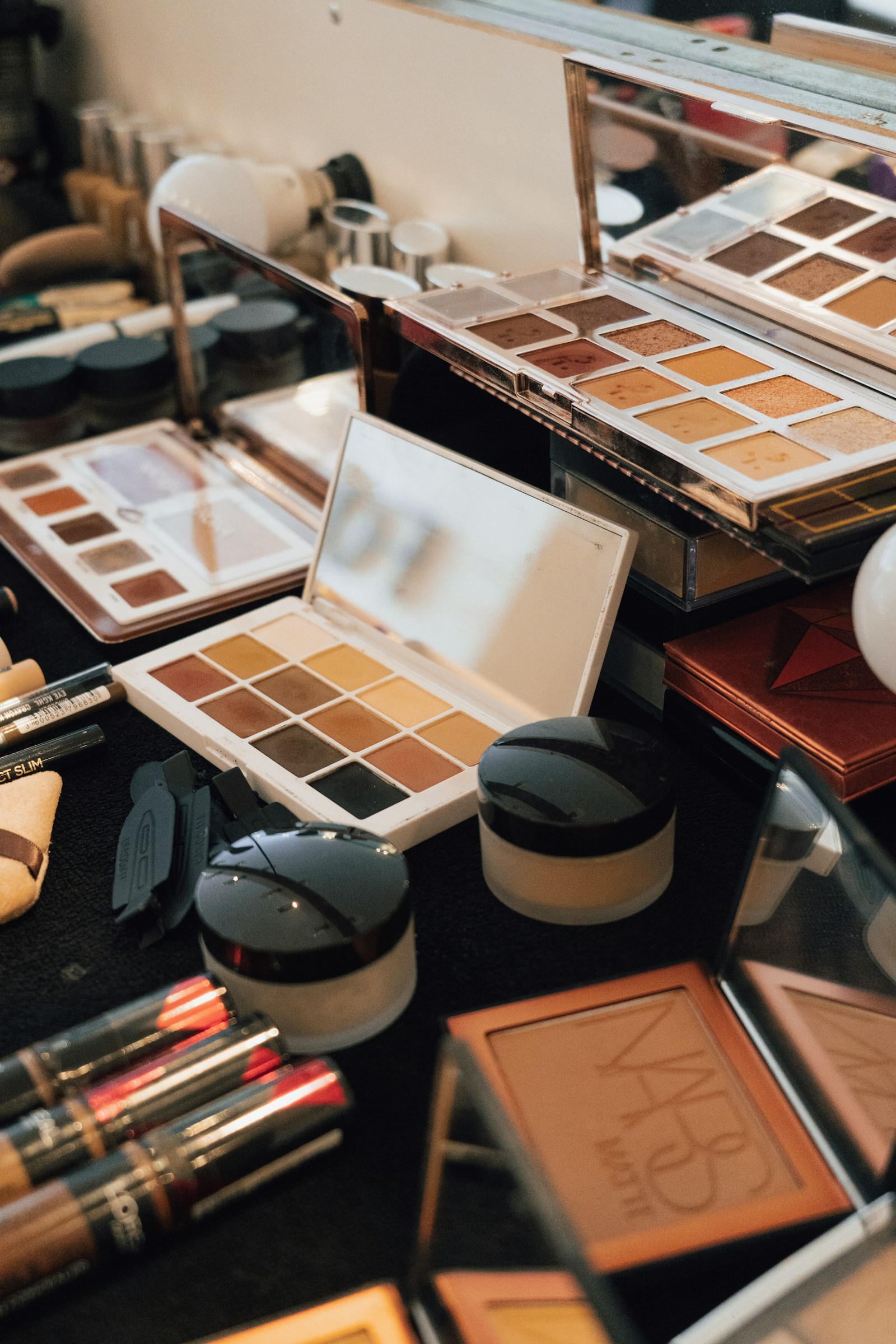
You’ve probably seen the glossy‑tube ads promising “plump‑up‑your‑kiss” while the price tag screams “designer”. The reality? A handful of high‑priced bottles leave your mouth feeling like you just chewed on a plastic wrapper, and the rest of the market is a maze of half‑truths about “oil‑infused shine”. If you’re still buying by hype alone, your wallet and your lips are both paying the price.
Which lip oils turn glossy dreams into tacky nightmares?
The first culprits are those that lean on a heavy dose of polybutene or synthetic resin to achieve that mirror‑like finish. Brands that market a “glass‑like sheen” often hide a polymer that never fully evaporates, leaving a film that drags after every sip. The texture feels more like a lip balm that forgot to melt than a true oil, and the stickiness becomes obvious within minutes.
Contrast that with formulas built around fractionated coconut or squalane. These base oils spread thin, absorb quickly, and let the pigment sit on top without a gummy underlayer. When you notice the product disappearing into your skin rather than forming a clinging layer, you’ve likely found the smoother side of the spectrum.
A quick sniff test can also reveal hidden tackiness. A faint, almost sweet chemical smell usually points to a resin‑heavy blend, while a light, nutty aroma hints at natural carrier oils. If the scent reminds you of a plastic store aisle, expect a similar mouthfeel.
Can a cheap drugstore oil actually replace a $30 gloss?
The answer is a resounding yes, as long as you look past the glossy packaging. A well‑formulated drugstore oil that lists jojoba, vitamin E, and a tiny amount of mica can give you a luminous sheen without the price tag. Many of these options sit comfortably under $10, and they often outperform luxury counterparts that rely on brand cache instead of chemistry.
Even some “clean” indie lines keep their price in the $15‑$20 range while still using high‑grade squalane. The key is that the cost savings come from stripped‑down packaging and a focus on ingredient efficiency, not from cutting corners on performance. In practice, you’ll notice a similar lift and a buttery glide that lasts as long as the pricier version.
Avoid the trap of assuming that a glass bottle equals a glass‑like finish. Some low‑cost tubes use a matte finish that looks chic but offers barely any shine. If you’re after that wet‑look effect, read the ingredient list instead of trusting the marketing tagline.
What ingredients make an oil feel smooth instead of gummy?
Squalane sits at the top of the smoothness ladder. Derived from olives or sugarcane, it mimics the skin’s natural lipids and leaves virtually no residue. Pair it with a splash of fractionated coconut, and you get a lightweight slip that spreads evenly without a greasy afterglow.
Jojoba oil, technically a liquid wax, behaves similarly to sebum. Its molecular structure allows it to blend with pigments without creating a barrier, which means the gloss stays on the surface while the oil feeds the lip tissue. Look for products that keep jojoba under 15 % of the formula to avoid a heavy feel.
Conversely, ingredients like dimethicone crosspolymer or high concentrations of isododecane tend to create a semi‑solid film. They are useful for lock‑in moisture but can also turn a glossy finish into a plastic‑like coat. If a product lists more than a handful of these synthetics, prepare for a possible sticky sensation.
How can you test a lip oil before you drop cash?
Start by applying a pea‑size amount to the center of your lower lip and waiting fifteen seconds. If the product spreads without pulling, you’re likely dealing with a true oil. If it beads up or leaves a visible line, the formula is probably too polymer‑rich.
Next, take a sip of water and note any transfer onto your cup. A well‑balanced oil will stay mostly on the lip, leaving only a faint sheen on the glass. Excessive smearing indicates that the gloss is more about surface tension than about nourishing ingredients.
Finally, check the finish under different lighting. A genuine oil will catch light in a way that looks like natural wetness, while a sticky gloss often appears flat or overly reflective, almost like a cheap varnish.
Action plan: budgeting for a lip oil upgrade
- Set a price window. Decide whether you’re comfortable spending under $10, in the $10‑$20 bracket, or willing to splurge above $20 for specialty blends. This prevents impulse buys that exceed your intended spend.
- Scout sales at drugstores. Chains frequently rotate seasonal shades and discount bundles, pushing the effective cost per unit into the single‑digit range. Keep an eye on weekly flyers or loyalty apps.
- Sample before committing. Many online retailers offer travel‑size versions for $3‑$5. Grab one of these to confirm the texture before investing in a full‑size bottle.
- Check return policies. Stores that allow returns on opened cosmetics give you a safety net if the oil turns out to be sticky after a day of wear. Note the timeframe, which is usually 30 days for most major retailers.
- Factor in occasional re‑application. If you plan to reapply throughout the day, a larger tube may actually save money per use, even if the upfront cost is higher. Calculate the cost per application based on your usage pattern.
What to double‑check before you click “Add to Cart”
Verify the expiration date printed on the packaging; oils can oxidize and develop off‑notes after a year or two. Look at the ingredient hierarchy to ensure the oil bases appear near the top of the list. Confirm that the seller offers a clear refund route, especially for online purchases where you can’t test the texture in person. With these checkpoints in place, you’ll avoid the sticky disappointment that haunts so many glossy‑tube enthusiasts.
Where to buy it
More from the shelf
Why $15 Color-Correcting Concealers Beat $40 Thick Formulas
You’ll learn why a light, color‑correcting concealer outperforms a heavy, pigmented stick for dark circles. Most guides push thick formulas because they look dramatic on camera, not because they actually erase shadows.
3 Setting Sprays That Survive 90% Humidity (And 2 That Don’t)
You’ll learn which setting sprays actually hold up when the air feels like a sauna and which are just vapor. Most guides gloss over real‑world humidity tests, so you can finally stop guessing.
I Wore Four "24-Hour" Foundations Through a 12-Hour Shift. Here's What Actually Stayed
Long-wear foundation claims are wild. I tested four through real shifts, a hot commute and too much coffee. One held up, one cracked, two slid off my nose.