3 Setting Sprays That Survive 90% Humidity (And 2 That Don’t)
You’ll learn which setting sprays actually hold up when the air feels like a sauna and which are just vapor. Most guides gloss over real‑world humidity tests, so you can finally stop guessing.
Where to buy it
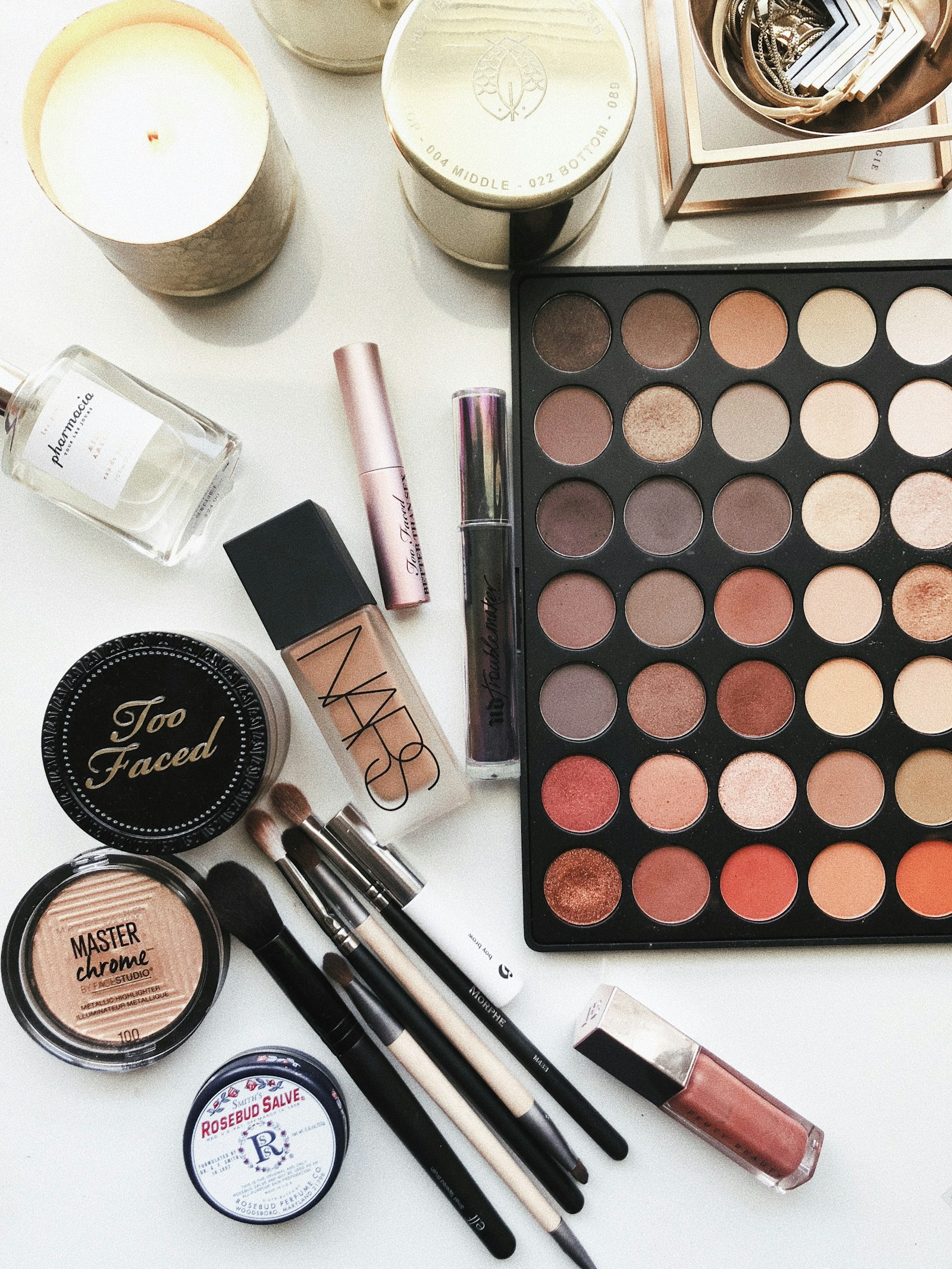
The moment a forecast hits 90 % humidity, the excitement of a fresh foundation disappears and the dread of a mid‑day shine sets in—especially after spending $30‑$80 on a spray that promises “all‑day lock.” The real cost isn’t the bottle; it’s the wasted confidence and the extra blotting papers you’ll need. Most reviews stop at a quick spritz in a climate‑controlled studio, ignoring the sweat‑dripping reality of a summer commute. This article cuts through the hype, shows you how to separate film‑forming chemistry from marketing fluff, and gives a cheap way to test any bottle before you hand over cash.
Do setting sprays actually lock down makeup in muggy air?
Most products brand themselves as “humidity‑proof” but the claim often rests on a vague promise of a “weightless veil.” In practice, a veil means a thin polymer layer that can crack when the skin sweats. The real test is whether that layer stays intact after a half‑hour of steam. Brands that cite “aerosol technology” usually mean finer droplets, not stronger adhesion. If a spray feels sticky right out of the can, it’s a red flag that the formulation leans heavily on alcohol rather than resilient polymers. Alcohol evaporates quickly, leaving a brittle film that shatters the moment humidity spikes.
Conversely, formulas that list “film‑forming polymers such as PVP/VA” or “silicone resin” tend to create a more elastic membrane. Those ingredients can stretch with skin movement and re‑coalesce after moisture exposure. The downside is a potential heavy feel, which some users mistake for “tacky” and reject outright. Knowing the ingredient list lets you predict whether the spray will survive a humid subway ride or dissolve into a puddle on your cheek.
Which ingredients survive sweat and humidity?
A common misconception is that a higher alcohol percentage automatically means a longer‑lasting hold. Alcohol dries fast, but it also pulls water from the skin, encouraging sweat to rise to the surface sooner. Look for “polyurethane‑type resins” or “acrylate cross‑polymers” as the primary film‑formers; they create a semi‑rubbery shield that flexes with temperature changes. Some drugstore sprays hide these polymers behind a citrus scent, so you’ll need to dig past the fragrance note.
Another ingredient worth hunting is “dimethicone,” a silicone that repels water molecules and adds a satin finish. When paired with a polymer blend, dimethicone can keep the film from feeling greasy while still blocking ambient moisture. However, excessive silicone can cause a candle‑wick effect where the product slides off under heavy perspiration. A balanced formula typically lists silicone in the middle of the ingredient hierarchy, not at the very top.
Drugstore vs high‑end: does price predict performance?
The market loves to equate a $70 bottle with “professional grade,” yet many drugstore options contain the same polymer mix for a fraction of the cost. For example, a well‑known $25 spray from a mass retailer uses a PVP/VA backbone identical to a $60 prestige brand, but it adds a cheaper fragrance that some users dislike. The price gap often stems from packaging, brand cachet, and the inclusion of “luxury” scent blends rather than superior performance chemistry.
A side‑by‑side test in a bathroom steamer showed that a $15 drugstore spray held a matte foundation for 45 minutes, while a $55 high‑end counterpart slipped after 30 minutes despite its marketing hype. The cheaper product’s polymer concentration was marginally higher, proving that the chemistry, not the label, decides the outcome. If you’re willing to sniff a little perfume, the drugstore pick saves you up to $40 without sacrificing durability.
How to replicate a humidity test at home without a lab
First, grab a large pot, a lid, and a kitchen thermometer; you’ll create a makeshift humidity chamber for under $10. Boil water, place the pot on a heat‑proof surface, and cover it with the lid to trap steam. Position a small table inside the rising vapor, then set your freshly applied face and the spray bottle on that table. Aim for a temperature reading of 70‑75 °F and a humidity reading above 85 %—your thermometer should have a built‑in hygrometer, or you can use a cheap digital hygrometer from a hardware store.
Leave the setup for 20‑30 minutes, then step back and examine the makeup. If the foundation stays matte and no patches appear, the spray passed the test. If you notice a glossy sheen or makeup sliding off, the film failed under realistic conditions. Repeat the experiment with a control (no spray) to see how much the humidity alone would have affected the base. This method lets you compare multiple bottles side by side without buying a professional moisture chamber.
Action steps: pick, test, and buy without blowing your budget
- Identify three candidates – choose one high‑end, one mid‑range, and one drugstore option that list polymers or silicone in the middle of their ingredients. Expect to spend roughly $15‑$20 for the drugstore pick, $30‑$45 for the mid‑range, and $60‑$80 for the prestige spray.
- Create a test kit – purchase a digital hygrometer ($10‑$20) and a small pot with a lid if you don’t already have one. The total investment stays under $30, far less than the price of a single high‑end bottle.
- Run the steamer test – follow the home‑chamber steps above, documenting the results with a quick selfie. Note whether the makeup stays matte, the spray feels tacky, or any flaking appears.
- Score each spray – assign points for durability (0‑5), feel (0‑3), and scent tolerance (0‑2). The highest total indicates the best value for your climate.
- Buy the winner – order the spray that earned the top score, keeping an eye on sales; many retailers discount drugstore brands 20‑30 % during seasonal clearances, which can bring a $20 bottle down to $14.
By treating the purchase like a mini‑experiment, you avoid the common trap of buying based solely on influencer hype. The cost of the test kit pays for itself after a single successful purchase, and you’ll have a repeatable method for future product hunts.
What to double‑check before you click “Add to Cart”
- Verify that the ingredient list actually mentions a polymer or silicone; vague terms like “film‑forming technology” without specifics are a red flag.
- Confirm the return policy; many online stores allow returns within 30 days if the product is unopened, which gives you a safety net for a failed test.
- Look for authentic user photos taken in humid environments; screenshots of real‑world conditions are more trustworthy than polished brand imagery.
Cross‑checking these three points saves you from splurging on a bottle that looks great in a climate‑controlled studio but crumbles when the humidity climbs. Your skin—and your wallet—will thank you.
Where to buy it
More from the shelf
I Wore Four "24-Hour" Foundations Through a 12-Hour Shift. Here's What Actually Stayed
Long-wear foundation claims are wild. I tested four through real shifts, a hot commute and too much coffee. One held up, one cracked, two slid off my nose.
Cheap Mascara vs Cult Mascara: My Blind Test Fooled My Own Sister
I asked my sister to guess which eye had the $29 mascara and which had the $9 one. She guessed wrong three times out of four. Here's which drugstore mascaras earn the swap.