Why $15 Color-Correcting Concealers Beat $40 Thick Formulas
You’ll learn why a light, color‑correcting concealer outperforms a heavy, pigmented stick for dark circles. Most guides push thick formulas because they look dramatic on camera, not because they actually erase shadows.
Where to buy it
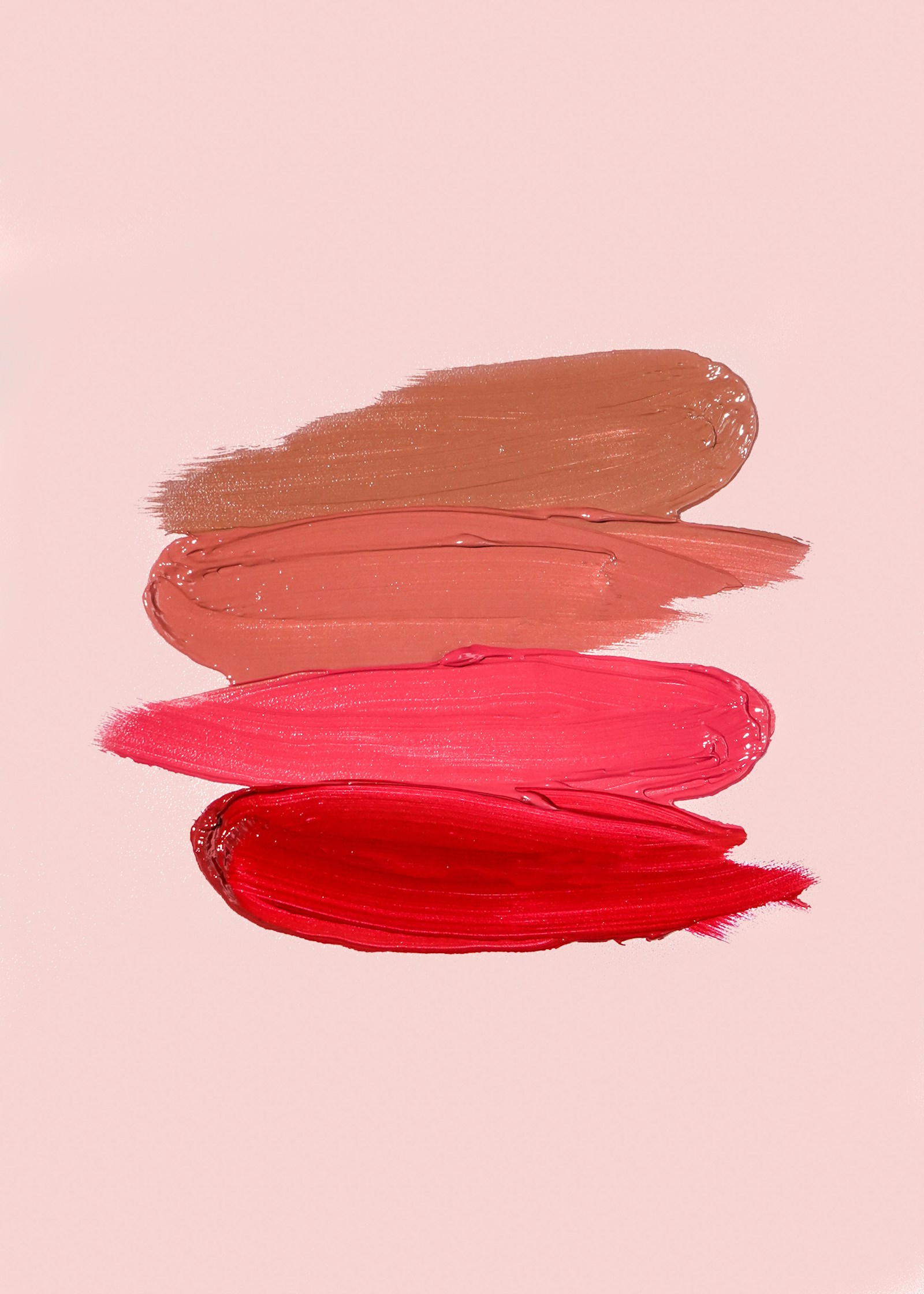
Ever spent $40 on a concealer that promised “instant brightening” only to watch it settle into a rubbery mask by lunch? The tension between flashing a flawless selfie and protecting the delicate under‑eye skin is what drives every accidental splurge, and the real trick lies in swapping weight for wavelength. You’ll find that the chemistry behind a pastel‑toned corrector does the heavy lifting that a thick, saturated stick pretends to do, and it does it without forcing the skin to gasp for air.
Think of dark circles as a color problem, not a texture problem, so the math becomes simple. A blue‑gray hue sits under the eye because blood pools in thin skin, so a peach or orange pigment placed directly over that spot neutralizes the visual depth before any coverage is applied. The result looks like the shadow never existed, letting a sheer foundation finish the look without a heavy film.
When you reach for a high‑coverage stick, you’re essentially painting a wall over a crack instead of filling the gap. The pigment density forces the formula to sit on top of the skin, which creates a demarcation line that catches light and makes the eye look even more hollow. Because the product is thick, you also risk pushing product into fine lines, turning a brightening attempt into a miniature “cobblestone” effect by evening.
Thick formulas often rely on silicone‑heavy bases that seal the skin like a raincoat, which sounds protective until you realize the under‑eye area breathes more than the rest of the face. When oxygen exchange stalls, melanin production can spike, and the very darkness you tried to cover may get a little deeper over weeks of daily use. In addition, many high‑coverage sticks contain talc or mica particles that settle into the fine lines, creating a grainy texture that reflects flash photography like a tiny disco ball.
Those who swear by a “full‑coverage” stick usually do so because it hides imperfections on a quick glance, not because it integrates with the skin’s micro‑topography. A thin layer of pigment that matches your natural undertone is far more forgiving; a damp sponge blends it outward, letting the corrector do the heavy lifting while the concealer simply evens tone. Since the shade is lighter, you avoid pressing product into the skin, reducing smudge risk along the lower lash line.
Price often reflects brand hype more than ingredient efficacy, which is why a $5 drugstore peach corrector can outperform a $35 prestige stick that relies on glitter for a “brightening” claim. When you scan the ingredient list, you’ll notice that the cheap version uses a blend of iron oxides, zinc oxide, and a touch of vitamin E, all of which are proven to neutralize blue tones without clogging pores. The pricier alternative often adds unnecessary fragrance or a high concentration of mica that looks sparkly in a lightbox but feels gritty on the delicate orbital bone.
Look beyond the label and ask if the product targets color correction or sheer coverage; the answer tells you whether a separate corrector is needed. When “full‑coverage” dominates the claim, you’re paying for opacity instead of a hue that neutralizes darkness, often requiring a corrector underneath and inflating the product count. In contrast, a $12‑$18 corrector typically packs more orange pigment, so a single dab can replace multiple sticks of traditional concealer.
Here’s a three‑step plan that stays under $30 and still gives the runway “no‑shadow” look. Step 1: Pick a peach‑orange corrector in a tube or compact; a 0.5‑oz size usually lasts three months of daily use. Step 2: Dab a pea‑size amount with a synthetic brush on the inner corners and under the brow, then blend outward with a damp sponge. Step 3: Top with a sheer skin‑tone concealer that includes a touch of silica for a soft‑focus finish; a 0.35‑oz pot priced $8‑$14 covers the job without extra layers.
Start by testing the corrector on the underside of the jaw to see how the orange undertone interacts with your natural hue; if it leans too bright, blend a touch of a neutral beige to tone it down before applying. Once you’ve locked the shade, set a timer for 30 seconds and use the same brush to blend the edges, ensuring the pigment melts into the skin rather than sitting as a line.
Add a final touch of hydrating eye cream that contains hyaluronic acid; it creates a plumper surface for the makeup to sit on and prevents the corrector from cracking after a few hours. Budget‑wise, the eye cream can be found for $10‑$15 at most drugstores, and you’ll notice the same smoothing effect as a $40 luxury serum, because the key ingredient is the same molecule, just in a simpler base.
Many shoppers think a darker shade hides better, yet a mismatched hue pushes the shadow deeper, prompting extra layers and higher cost. A second mistake is using a synthetic brush that drags pigment into fine lines, creating unevenness and encouraging a repeat buy of a “smoother” version. Finally, skipping an eye primer because it feels excessive shortens the corrector’s wear time, leading to mid‑day reapplication and double the product spend.
Before you click “add to cart,” compare the pigment code on the label with a swatch chart to verify that the orange intensity matches the undertone of your own dark circles, because a mismatch of even one level can turn a brightening trick into a new set of shadows. Also, read the return policy; many retailers only accept unopened items, so a mismatch discovered after testing at home may leave you stuck with a pricey tube you’ll never use.
Where to buy it
More from the shelf
Skip $30 Sticky Lip Oils – 3 Non‑Gooey Winners
You’ll learn which lip oils actually glide and which trap your lips in a tacky film. Most guides miss the ingredient checklist and the cheap alternatives that outperform pricey hype.
3 Setting Sprays That Survive 90% Humidity (And 2 That Don’t)
You’ll learn which setting sprays actually hold up when the air feels like a sauna and which are just vapor. Most guides gloss over real‑world humidity tests, so you can finally stop guessing.
I Wore Four "24-Hour" Foundations Through a 12-Hour Shift. Here's What Actually Stayed
Long-wear foundation claims are wild. I tested four through real shifts, a hot commute and too much coffee. One held up, one cracked, two slid off my nose.